


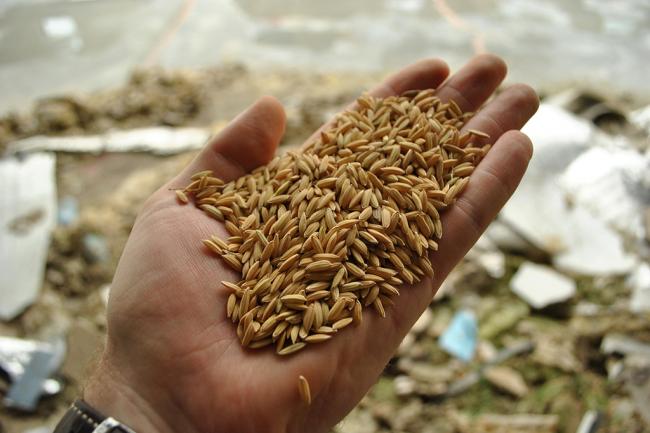
UN food standards body kicks off session by tackling arsenic in rice, pesticide residues
The Codex Alimentarius Commission, charged with protecting consumer health and ensuring fair practices in the food trade, is meeting in Geneva from 17 to 22 July 2017. Standards-setting for food is a joint initiative of two UN agencies – the Food and Agriculture Organization (FAO) and the World Health Organization (WHO).
At on Monday’s session, the Commission set maximum residue limits for medicines Ivermectin, which is used to kill parasites in tissues from cattle; Lasalocid sodium, which is used for a similar purpose in tissues from chicken, turkey, quail and pheasant; and insecticide Teflubenzuron used in salmon.
The Commission also adopted revisions to its risk-based Code of Hygienic Practice for Fresh Fruits and Vegetables to provide detailed guidance to stakeholders along fresh fruit and vegetable value chains – from producers through to final consumers.
The aim is to minimize microbial hazards, avoid risks to health, and maximize the safety of these nutritious food products, which are also of major economic importance for many countries in global trade.
The Commission also adopted the Nutrient Reference Values for vitamins D and E to be used for nutrient content labelling that would help consumers make informed choices to support healthy diets.
On spices and culinary herbs, the Commission adopted commodity standards, such as tolerances for defects, permitted levels of food additives and labelling, for cumin, dried thyme and pepper, which are among the world’s most widely used seasonings.
Photo: FAO/ J.Belgrave
Source: www.justearthnews.com
Support Our Journalism
We cannot do without you.. your contribution supports unbiased journalism
IBNS is not driven by any ism- not wokeism, not racism, not skewed secularism, not hyper right-wing or left liberal ideals, nor by any hardline religious beliefs or hyper nationalism. We want to serve you good old objective news, as they are. We do not judge or preach. We let people decide for themselves. We only try to present factual and well-sourced news.
Support objective journalism for a small contribution.


