


Promote affordable, equitable access to diabetes medicines and information for women, UN urges
New York, Nov 15(Just Earth News): On World Diabetes Day, the United Nations health agency has said that women – especially those in low-income countries – are particularly vulnerable to diabetes, a condition that can be prevented or delayed with medication, regular screening and healthier lives.
On World Diabetes Day, the United Nations health agency has said that women – especially those in low-income countries – are particularly vulnerable to diabetes, a condition that can be prevented or delayed with medication, regular screening and healthier lives.
“Approximately 205 million women around the world (about 8 per cent globally) are living with diabetes, with more than half of them in the Western Pacific and south-east Asia,” said Christian Lindmeier, a spokesperson for the UN World Health Organization (WHO).
Globally, diabetes is a major cause of blindness, kidney failure, heart attack, stroke and lower limb amputation. In 2015, diabetes had been the direct cause of 1.6 million deaths, and two million people die each year from high blood glucose.
Furthermore, with blood glucose-levels rising substantially during pregnancy, there is heighted risk the health of both mother and child as well as the threat of diabetes for the child in the future.
However, early diagnosis through relatively inexpensive testing of blood sugar and simple lifestyle measures can be effective in preventing or delaying the condition and treating its consequences.
This year, World Diabetes Day calls for promoting affordable and equitable access for all women with diabetes or at risk of diabetes to the essential medicines and technologies, self-management education and information they require to achieve optimal diabetes outcomes and strengthen their capacity to prevent Type-2 diabetes.
Type-2 diabetes results from the body’s ineffective use of insulin, and comprising majority of people with diabetes around the world, and largely the result of excess body weight and physical inactivity, can be prevented with a healthy diet, avoiding sugar and saturated fats intake, not smoking and using tobacco, as well as a more physically active lifestyle with at least 30 minutes of regular, moderate-intensity activity on most days.
Until recently, this Type-2 diabetes was seen only in adults but it is now also occurring increasingly frequently in children.
Other types of diabetes are Type 1 diabetes (previously known as insulin-dependent, juvenile or childhood-onset), gestational diabetes (hyperglycaemia with blood glucose values above normal but below those diagnostic of diabetes, occurring during pregnancy), as well as impaired glucose tolerance (IGT) and impaired fasting glycaemia (IFG) (intermediate conditions in the transition between normality and diabetes.
People with IGT or IFG are at high risk of progressing to type 2 diabetes, although this is not inevitable, according to WHO.
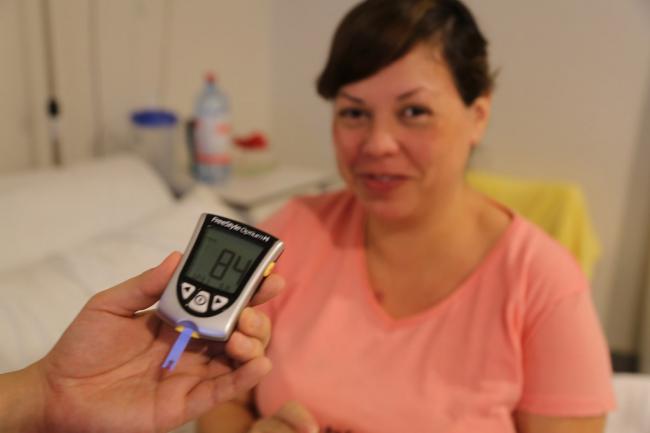
Photo: WHO/PAHO/Sebastián Oliel
Source: www.justearthnews.com
Support Our Journalism
We cannot do without you.. your contribution supports unbiased journalism
IBNS is not driven by any ism- not wokeism, not racism, not skewed secularism, not hyper right-wing or left liberal ideals, nor by any hardline religious beliefs or hyper nationalism. We want to serve you good old objective news, as they are. We do not judge or preach. We let people decide for themselves. We only try to present factual and well-sourced news.
Support objective journalism for a small contribution.


