


 Saskatchewan
Canada: Saskatchewan ranks 5th in rate of Covid-19 testing
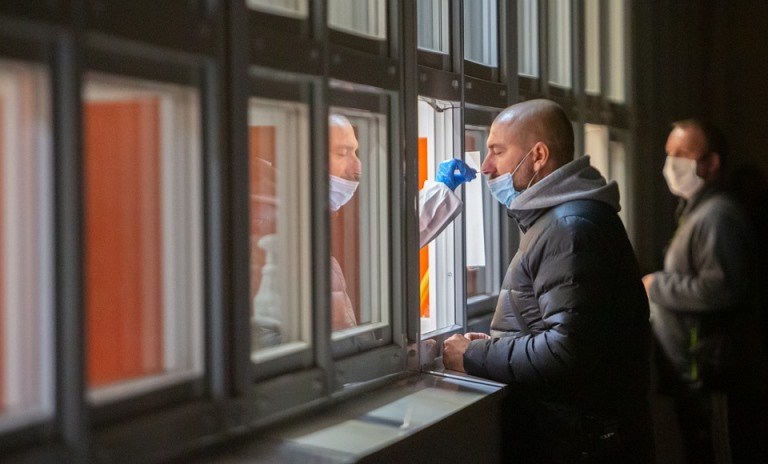
Saskatchewan/IBNS: Saskatchewan ranked fifth among provinces, behind Alberta, Ontario, Prince Edward Island, and Quebec in its rate of testing, Health Canada said, with its testing rate per one million people being 274,535 on Monday, compared to the national average of 441,939.
"Testing is universally available to anyone who requests it, regardless of whether they have symptoms or not," according to the rate of testing to the Saskatchewan government's COVID-19 testing information page.
Drive-thru testing locations were opened last fall, as one of the ways "to reach the testing targets of 4000 tests performed per day," according to the page.
The province needs to be testing more people each day, said Nazeem Muhajarine, a professor of epidemiology at the University of Saskatchewan said.
"From mid-November to mid-December, we were doing tests on average in the high 3000s per day in the first two weeks; in January, in the low 3000s," Muhajarine says and added
"I think we need to ramp up the testing by 30 to 40 percent, to the mid-4000s, in order to show the prevalence of cases closer to the true value," said Muhajarine, CBC News reported.
(Reporting by Asha Bajaj)
Support Our Journalism
We cannot do without you.. your contribution supports unbiased journalism
IBNS is not driven by any ism- not wokeism, not racism, not skewed secularism, not hyper right-wing or left liberal ideals, nor by any hardline religious beliefs or hyper nationalism. We want to serve you good old objective news, as they are. We do not judge or preach. We let people decide for themselves. We only try to present factual and well-sourced news.
Support objective journalism for a small contribution.


