 PM Museum
PM Museum requests Rahul Gandhi to return Pandit Nehru's historical letters
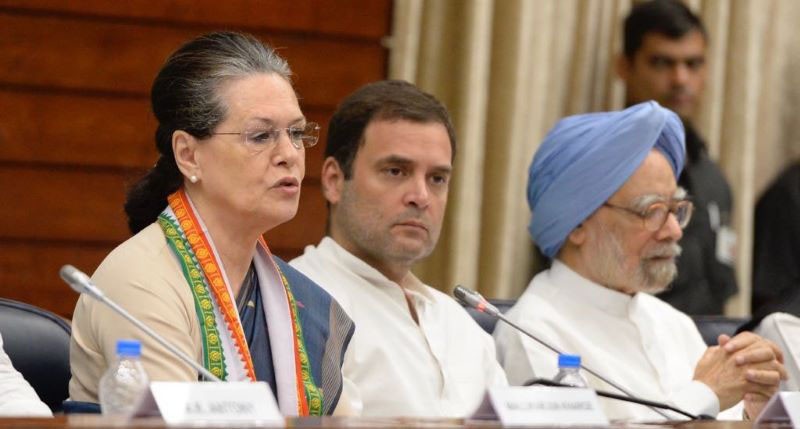
New Delhi/IBNS: The Prime Minister's Museum and Library (PMML) has requested Leader of Opposition and Congress MP Rahul Gandhi to return first Indian Prime Minister Pandit Jawaharlal Nehru's historical letters, which were removed from public access by the UPA government in 2008, media reports said.
On request of then UPA chairperson and Congress veteran Sonia Gandhi, Nehru's letters to 20th century greats like Albert Einstein, Lord Mountbatten, Padmaja Naidu, Vijaya Lakshmi Pandit, Aruna Asaf Ali and Babu Jagjivan Ram were removed from the PMML, which was then the Nehru Memorial Museum and Library (NMML).
The collection comprises 51 boxes of Nehru's letters.
In its letter to Rahul Gandhi, the PMML said as quoted by NDTV, "We understand that these documents may hold personal significance for the 'Nehru family.'
"However, the PMML believes that making these historical materials, more widely accessible would greatly benefit scholars and researchers. We would be grateful for your collaboration in exploring possible solutions."
Jawaharlal Nehru, India's first Prime Minister, had a close and intimate relationship with Edwina Mountbatten, the wife of Lord Louis Mountbatten, the last Viceroy of India.
Their relationship was a subject of much speculation and gossip during their lifetimes, and it has been the subject of numerous books, articles, and films.
While the exact nature of their relationship is still a matter of debate among historians and biographers, it is widely acknowledged that Nehru and Edwina shared a deep emotional bond, and that their relationship was an important part of their lives.
According to a 1988 article in India Today, Nehru's letters to Lady Mountbatten begin in 1948, when the Mountbattens left India, and go on till 1961, when she died.
"The importance of these missives is in the revelation of the extent to which Nehru discussed matters of state with Lady Mountbatten. The letters read like a diary: Nehru expressing his doubts, hopes and innermost thoughts 'to a good listener on paper' according to Janet Morgan, the biographer-historian, now working on the official biography of Lady Mountbatten to be published by Collins next year," according to the article by Madhu Jain said.
Earlier, Sonia Gandhi was also requested to return or digitise the letters.
The NMML was established at Nehru's former residence in New Delhi to honour his legacy.
The NMML was renamed as PMML in August last year.
Support Our Journalism
We cannot do without you.. your contribution supports unbiased journalism
IBNS is not driven by any ism- not wokeism, not racism, not skewed secularism, not hyper right-wing or left liberal ideals, nor by any hardline religious beliefs or hyper nationalism. We want to serve you good old objective news, as they are. We do not judge or preach. We let people decide for themselves. We only try to present factual and well-sourced news.
Support objective journalism for a small contribution.