


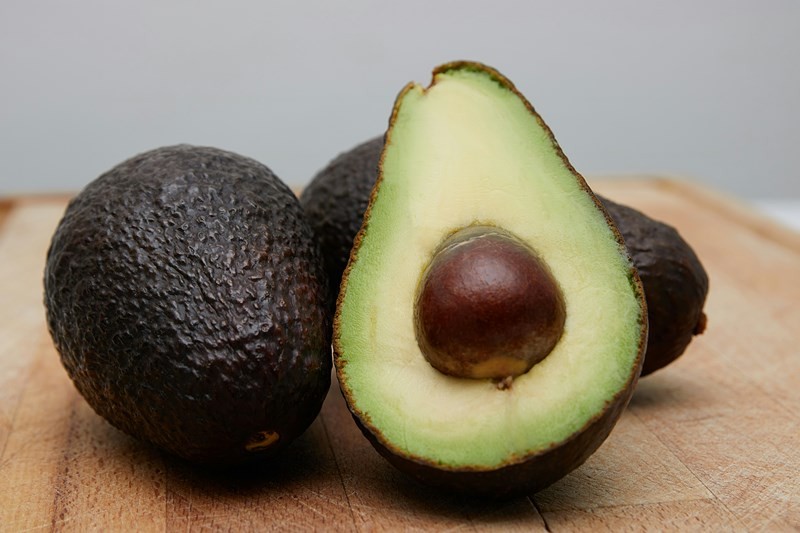
 Avocado
Eating one Avocado a day could slash diabetes risk, new study finds
– A secondary analysis of the landmark Habitual Diet and Avocado Trial (HAT) has found that daily consumption of fresh avocados significantly reduces dietary glycemic load (GL), a key measure of how the quantity and quality of carbohydrates in the diet affect blood sugar levels. Lower-GL diets have long been associated with improved blood sugar control and a reduced risk of type 2 diabetes and other cardiometabolic conditions.
The findings offer encouraging evidence that adding just one nutrient-dense food to the diet can deliver meaningful health benefits. Researchers say this simple dietary adjustment could provide a practical and sustainable way to support healthier living, even during busy periods such as summer.
Implications for Health
Type 2 diabetes remains a growing public health challenge worldwide. While several factors contribute to its development, the study suggests that lowering dietary glycemic load may be achievable through enjoyable food choices rather than restrictive dieting.
Recently published in American Society for Nutrition’s journal Current Developments in Nutrition, the research is notable because few studies have examined how changing just one food can influence overall dietary glycemic load.
Study Methodology
The study involved more than 1,000 adults, 73% of whom were women, with an average age of 50. All participants had elevated waist circumference, a known risk factor for type 2 diabetes.
Over six months, one group maintained their usual diet while limiting avocado intake to no more than two per month. The second group made one consistent dietary change: adding one large avocado to their daily meals. Participants were otherwise not required to cut calories, reduce carbohydrates, or avoid specific foods.
“Changing lifestyle habits, especially eating patterns, can feel overwhelming,” said Sujatha Rajaram, professor of nutrition at Loma Linda University School of Public Health and senior researcher of the study.
“After adopting this simple change for six months, participants who consumed avocados showed a significant reduction in dietary glycemic load by nearly 14 points compared to the control group. These findings suggest that improving health could start with something as simple and sustainable as regularly adding one nutrient-dense food like avocado to the diet,” Rajaram added.
Why Avocados May Help
Supported by the Avocado Nutrition Center, the study adds to growing evidence supporting the health benefits of eating one avocado a day.
Researchers note that more studies are needed before the findings can be generalized to broader populations. However, avocados’ unique nutritional profile may help reduce diabetes-related risk factors. Per serving (one-third of a medium avocado), they provide:
6 grams of healthy unsaturated fats and 3 grams of fiber, which help slow digestion and sugar absorption, supporting steadier blood sugar levels after meals
Naturally sugar-free nutrition, containing zero grams of sugar unlike most fruits
The researchers say these qualities make avocados a practical addition to a balanced diet aimed at supporting long-term metabolic health.
Support Our Journalism
We cannot do without you.. your contribution supports unbiased journalism
IBNS is not driven by any ism- not wokeism, not racism, not skewed secularism, not hyper right-wing or left liberal ideals, nor by any hardline religious beliefs or hyper nationalism. We want to serve you good old objective news, as they are. We do not judge or preach. We let people decide for themselves. We only try to present factual and well-sourced news.
Support objective journalism for a small contribution.


