 La Niña
After nearly a decade away, La Niña weather system is back
New York: Many will be familiar with El Niño – the ocean-warming phenomenon that affects global weather patterns – but how about La Niña, which is linked to cooler sea temperatures?
According to the World Meteorological Organization (WMO), La Niña is back in the central and eastern equatorial Pacific Ocean, after nearly a decade’s absence.
This is expected to result in sea surface temperatures between two and three degrees Celsius cooler than average, said Dr. Maxx Dilley, Deputy Director in charge of Climate Services Department at WMO.
“These coolings of these large ocean areas have a significant effect on the circulation of the atmosphere that’s flowing over them. And the changes in the atmosphere in turn affect precipitation patterns around the world.”
Uneven effects
The likely results of La Niña vary around the globe, but indications are that the Horn of Africa will see below average rainfall, as will Central Asia.
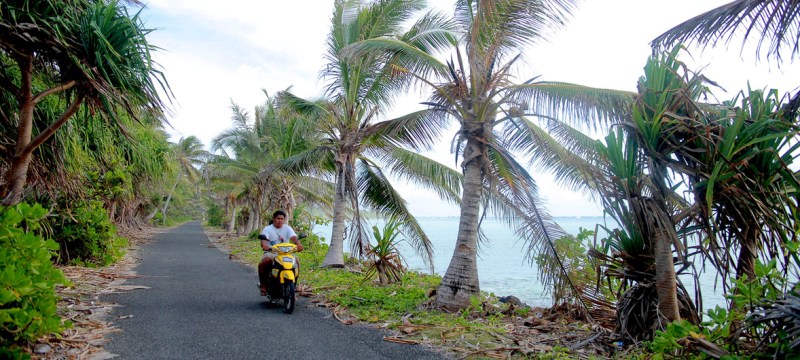
Elsewhere, WMO’s weather models forecast above-average rainfall for Southeast Asia, some Pacific Islands and the northern region of South America.
The UN agency also warned that East Africa is forecast to see drier than usual conditions, which together with the existing impacts of the desert locust invasion, may add to regional food insecurity.
WMO says that there is a 90 per cent chance of tropical Pacific sea surface temperatures remaining at La Niña levels for the remainder of the year, and a 55 per cent chance that this will continue through March next year.
This is important because La Niña contributes to temperatures, rainfall and storm patterns in many parts of the world.
Alarm bells
What’s more, everyone from governments to farmers uses the announcement of a La Niña event to protect activities that are sensitive to changes in the weather, including agriculture, health, water resources and disaster management.
WMO is now stepping up its support and advice for international humanitarian agencies to try to reduce the impacts among the most vulnerable at a time when coping capacities are stretched by the COVID-19 pandemic.
Heat is here to stay
Although La Niña typically has a cooling effect on global temperatures, there’s little chance that 2020 will buck the trend of increasingly warm years, however.
That’s because of all the heat trapped in our atmosphere by greenhouse gases, said WMO head Petteri Taalas.
And he warned that “2020 remains on track to be one of the warmest years on record and 2016-2020 is expected to be the warmest five-year period on record”.
Support Our Journalism
We cannot do without you.. your contribution supports unbiased journalism
IBNS is not driven by any ism- not wokeism, not racism, not skewed secularism, not hyper right-wing or left liberal ideals, nor by any hardline religious beliefs or hyper nationalism. We want to serve you good old objective news, as they are. We do not judge or preach. We let people decide for themselves. We only try to present factual and well-sourced news.
Support objective journalism for a small contribution.