


UN Forum examines three pillars of 2030 Global Goals
New YorK, July 14 (IBNS): The first week of the High-level Political Forum on Sustainable Development (HLPF) concluded on Friday at United Nations Headquarters in New York, with a review of the progress made so far by countries on nature preservation, partnerships for development, and the need to ensure no one is excluded, during the drive towards the 2030 deadline.
When endorsing the 17 ambitious Sustainable Goals which aim to end hunger and extreme poverty, Member States agreed to one essential, cross-cutting aspect: as progress would be made towards a more sustainable world, the most vulnerable would not be excluded.
This means that the specific needs of vulnerable countries – including lowest-income States, landlocked and small island nations, or wartorn nations - must to be addressed, and that the Goals and targets agreed upon need to be met for all segments of society.
People living in poverty, children, persons with disabilities, people living with HIV/AIDS, older persons, indigenous peoples, refugees and migrants, are often excluded from positive change. HLPF panelists on Friday emphasized the need for their voices to be heard, and their active participation as agents of change to be promoted.
The panel discussed the need for integrated social policy frameworks that aim to progressively achieve universal coverage, while addressing the specific needs of vulnerable people through targeted policies and programmes.
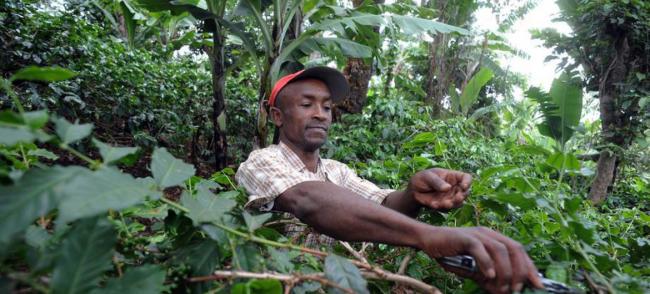
The fifth day of the HLPF on Sustainable Development also focused on Goal 15, for the protection of nature and its ecosystems. Member States committed to safeguarding biodiversity, combating desertification, sustainably managing forests and halting land degradation, all of which define the quality of our food and water supplies, are job-generating activities, and are therefore essential components for human health and well-being.
“We should build on and invest in our natural systems that have been providing us with life and opportunity since our first people - intact, resilient land ecosystems,” said Chiagozie Chima Udeh, from the-Plant-for-the-Planet Foundation. “Let’s do the right thing - show that you value trees, forests and other land based ecosystems. SDG15, our biodiversity and our forests give us a chance to achieve all of the SDGs. Let’s not postpone what we can achieve today, it is only 12 years to 2030,” he pleaded.
Today, biodiversity is in decline in all regions of the world, a trend that continues to accelerate largely due to human activities such as food production, pollution, and wildlife poaching and trafficking.
A reckoning of the issue is slowly taking place and Governments, private sector and civil society are working on more holistic approaches and towards more accurate and meaningful measurements of the true value of nature.
Finally, the Forum examined progress made on Goal 17, which focuses on national, regional and global trends to establish global partnerships for sustainable development, as well as challenges and opportunities ahead.
The HLPF, which meets annually under the auspices of the Economic and Social Council (ECOSOC) and which will run this year through 18 July, brings together more than 1,000 Government, business and civil society leaders to share lessons learnt and best practices and discuss progress made towards the SDGs adopted by 193 Member States in 2015 , based on the UN Secretary-General’s annual progress report.
FAO/Simon Maina
Support Our Journalism
We cannot do without you.. your contribution supports unbiased journalism
IBNS is not driven by any ism- not wokeism, not racism, not skewed secularism, not hyper right-wing or left liberal ideals, nor by any hardline religious beliefs or hyper nationalism. We want to serve you good old objective news, as they are. We do not judge or preach. We let people decide for themselves. We only try to present factual and well-sourced news.
Support objective journalism for a small contribution.


