Significant breakthrough in HIV prevention: UN agency
At the 2015 Conference on Retroviruses and Opportunistic Infections (CROI), the results of two separate studies on pre-exposure prophylaxis (PrEP) medicines showed 86 per cent efficacy in preventing new HIV infections among men who have sex with men.
A third study showed that in so-called serodiscordant couples, where one partner has HIV and the other does not, access to PrEP for the HIV-negative person combined with access to antiretroviral therapy for the HIV-positive person was 96 per cent effective in preventing new infections.
“These new results are a significant breakthrough in advancing efforts to provide effective HIV prevention options to men who have sex with men and to serodiscordant couples,” said Michel Sidibé, Executive Director of UNAIDS.
He said, “The results are timely and important and will advance global efforts to end the AIDS epidemic by 2030.”
A study in the United Kingdom, involving 500 men who have sex with men at higher risk of HIV infection, found that those taking a daily pill of the medicines tenofovir and emtricitabine were 86 per cent less likely to become infected with HIV than those involved in the study not taking the medicines.
The same effect was found in a similar study conducted in France and Canada, where participants took four tablets of tenofovir and emtricitabine, two before and two after sexual intercourse.
In both studies, the trials were modified to offer active antiretroviral medicines to all participants after interim analysis of the data showed a significantly positive effect.
In another study, conducted in Kenya and Uganda, PrEP was used on the HIV-negative partner, while antiretrovirals were used on the HIV-positive partner. The results, which showed that the combination produced 96 per cent efficacy, suggest that PrEP could be a highly effective “bridge” treatment to reduce new infections in the period between when a HIV-positive person begins treatment and when their risk of transmitting the virus reduces.
A fourth study, in South Africa, was less successful. While the trial, which involved women at higher risk of HIV infection using a one per cent tenofovir vaginal gel, showed disappointing results, the study still provided valuable information about the urgent need to find new and effective HIV prevention options that work for young women.
UNAIDS, which unites the efforts of 11 UN organizations, UNHCR, UNICEF, WFP, UNDP, UNFPA, UNODC, UN Women, ILO, UNESCO, WHO and the World Bank, and works closely with global and national partners towards ending the AIDS epidemic by 2030, congratulated all the researchers on completing their studies and welcomed the “highly effective additional HIV prevention option” offered by PrEP.
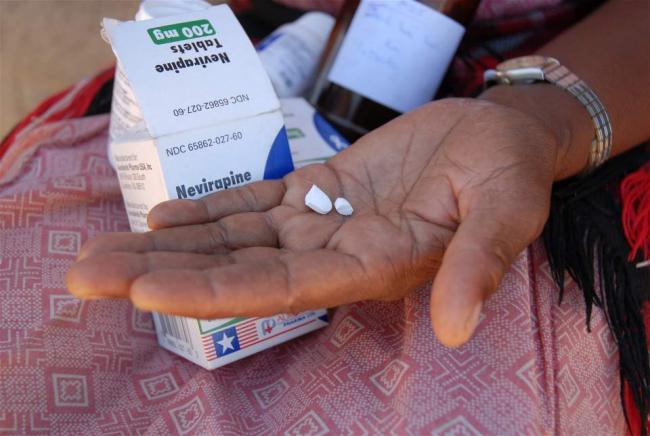
Photo: IRIN/Eva-Lotta Jansson
Support Our Journalism
We cannot do without you.. your contribution supports unbiased journalism
IBNS is not driven by any ism- not wokeism, not racism, not skewed secularism, not hyper right-wing or left liberal ideals, nor by any hardline religious beliefs or hyper nationalism. We want to serve you good old objective news, as they are. We do not judge or preach. We let people decide for themselves. We only try to present factual and well-sourced news.
Support objective journalism for a small contribution.