On World Day, UN chief urges prevention to reduce diabetes and associated blindness
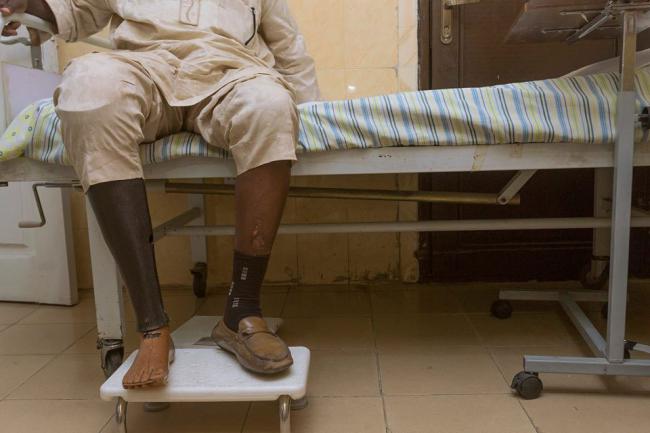
In his message on the Day, Secretary-General Ban Ki-moon said: “The disease shortens lives and, if not managed, can cause severe complications such as amputations, strokes or kidney failures. It has devastating impacts on household budgets and national economies.”
This year, the Secretary-General especially focuses on the fact that diabetes is a leading cause of poor eyesight and blindness worldwide.
“Because the changes are painless and gradual, people often only realize they have a problem when their eyesight finally begins to fail. At that point, it can be too late to improve or restore vision.”
Ban encouraged people with diabetes to have their eyes examined regularly by trained personnel in order to identify problems and receive advice and treatment.
“If people can control blood glucose levels and blood pressure,” he said, “they can reduce the risk of changes in blood vessels. And even when changes do occur, it is possible to slow down the process with timely treatment.”
The rate of diabetes increases each year, mostly as a result of aging populations and a rise in obesity, and is most prevalent in low and middle-income countries
“On this international day,” he said, “let us focus both on prevention and strengthening health services so that everyone who has this debilitating disease can receive the support he or she needs.”
Diabetes is a chronic disease, which occurs when the pancreas does not produce enough insulin, or when the body cannot effectively use the insulin it produces. This leads to an increased concentration of glucose in the blood (hyperglycaemia).
Type 1 diabetes (previously known as insulin-dependent or childhood-onset diabetes) is characterized by a lack of insulin production;
Type 2 diabetes (formerly called non-insulin-dependent or adult-onset diabetes) is caused by the body's ineffective use of insulin. It often results from excess body weight and physical inactivity; and
Gestational diabetes is hyperglycaemia that is first recognized during pregnancy.
To learn more, see the UN World health Organization's 10 Facts about Diabetes.
Photo: WHO/A. Esiebo
Source: www.justearthnews.com
Support Our Journalism
We cannot do without you.. your contribution supports unbiased journalism
IBNS is not driven by any ism- not wokeism, not racism, not skewed secularism, not hyper right-wing or left liberal ideals, nor by any hardline religious beliefs or hyper nationalism. We want to serve you good old objective news, as they are. We do not judge or preach. We let people decide for themselves. We only try to present factual and well-sourced news.
Support objective journalism for a small contribution.