In Brazil, UN expert highlights deadly consequences of delaying land demarcation
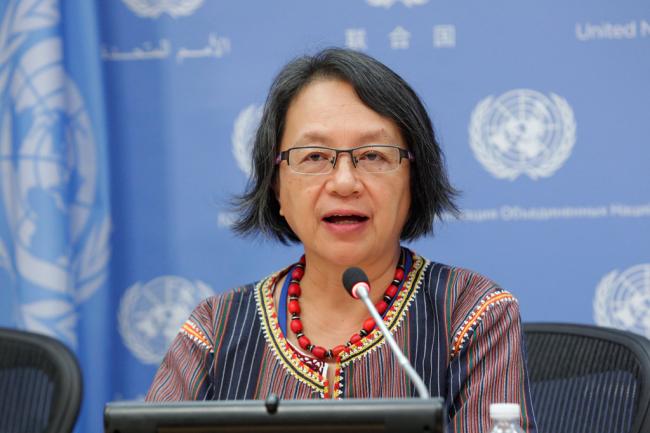
Speaking at the end of her 11-day visit to Brazil, Victoria Tauli-Corpuz, UN Special Rapporteur on the Rights of Indigenous Peoples, noted that there were 92 killings in 2007, but the figure increased to 138 people killed in 2014.
“I decry these attacks and call on the Government to put an end to these human rights violations, investigate and bring their masterminds and perpetrators to justice,” Tauli-Corpuz said in her end of mission statement, noting that State authorities have not yet gone into the areas where the attacks took place.
The expert noted that attacks and killings frequently constitute reprisals in contexts where indigenous peoples reoccupy ancestral lands following long periods waiting for the completion of demarcation processes.
The UN expert said that Brazil has a number of exemplary constitutional provisions pertaining to indigenous peoples' rights and in the past has been a world leader in the area of demarcation.
In other words, the Brazilian Constitution recognizes the rights of indigenous peoples to lands that they have “traditionally” occupied. In the legal world, a formal, often lengthy and contested, process of “demarcation” is required for an indigenous territory to receive these rights.
“A constant refrain from all the indigenous peoples I visited and met was the urgent need for demarcation processes to be completed, as this is fundamental to all other rights of indigenous peoples,” Tauli-Corpuz said.
She added that the urgency to demarcate territories is exacerbated by the rate of deforestation, destruction of rivers, and depletion of soil quality due to intensive mono-cropping and mining activities, rendering the land and waters incapable of supporting indigenous people' food sustainability into the future.
This forces indigenous peoples “into a situation where the only option they feel is available to them to guarantee their long-term cultural and physical survival is to retake their lands before demarcation processes are concluded,” she added.
Complicating matters is a proposed constitutional amendment, known as PEC 215, which would shift the power to demarcate indigenous lands from the Justice Ministry and the president's office, to Congress, where many of the members are linked to agro-business and resource-energies.
Tauli-Corpuz praised some of the measures adopted by the Brazilian authorities, such as the establishment of an internationally recognized legal and administrative framework for demarcation.
The Special Rapporteur, who works in an unpaid and independent capacity, will present a comprehensive report containing her findings and recommendations to the Brazilian Government and the UN Human Rights Council in September 2016.
UN Photo/JC McIlwaine
Support Our Journalism
We cannot do without you.. your contribution supports unbiased journalism
IBNS is not driven by any ism- not wokeism, not racism, not skewed secularism, not hyper right-wing or left liberal ideals, nor by any hardline religious beliefs or hyper nationalism. We want to serve you good old objective news, as they are. We do not judge or preach. We let people decide for themselves. We only try to present factual and well-sourced news.
Support objective journalism for a small contribution.