


 Inflation
Human rights: Inflation threatens everyone’s right to development
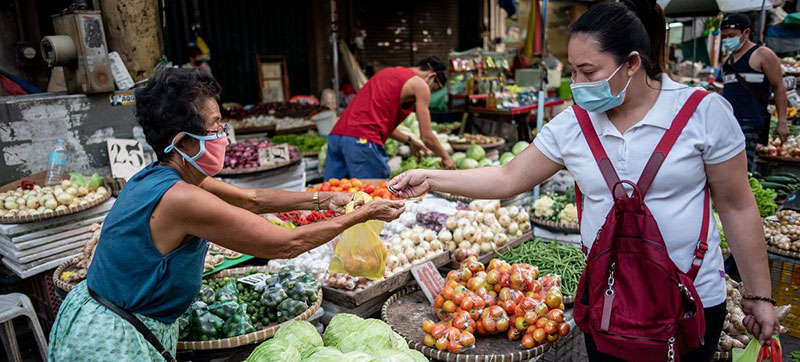
Rising global inflation is expected to hit emerging and developing economies particularly hard this year, adding to a “confluence of crises” that threatens us all, the UN’s acting human rights chief has warned.
Addressing the Human Rights Council in Geneva on Thursday, Nada Al- Nashif cited International Monetary Fund (IMF) forecasts that advanced economies should brace themselves for average inflation rates of 6.6 per cent in 2022, well below the 9.5 per cent rate expected to hit poorer nations.
Ms. Al-Nashif added that although the world’s richest countries had seen employment rates return or exceed pre-pandemic levels by the end of 2021, “most” middle-income countries hadn’t yet managed to recover from the COVID-19 crisis.
COVID legacy and Ukraine suffering
The coronavirus had “exposed and exacerbated pre-existing inequalities” and set back sustainable growth “by several years in many parts of the world”, the acting UN rights chief told the Council, during its biennial discussion on the right to development.
Unsustainable sovereign debt burdens had also “weighed down” many developing nations because they had negative repercussions for providing social protection, Ms. Al-Nashif continued, adding that many countries now faced unprecedented fiscal challenges, “including social unrest”, because their hands had been tied by expensive loan repayments.
To make matters worse, the acting rights chief reiterated that the Russian invasion of Ukraine on 24 February had led to “major human suffering” inside the country, and beyond its borders.
The war had also triggered new disruption to global supply chains, contributing to “skyrocketing fuel and food prices” that had affected women and girls disproportionately, Ms. Al-Nashif explained.
Extreme poverty increase
Referring to data from The World Bank, an additional 75 to 95 million people are expected to live in extreme poverty this year, compared to pre-pandemic projections, she continued.
She noted that of the 760 million people living in extreme poverty, “there will be 16 million more women and girls than men and boys” Most - 83.7 per cent – were living in only two regions: Sub-Saharan Africa (62.8 per cent) and Central and South Asia (20.9 per cent).
“The confluence of crises has created spin-off effects on food and nutrition, health and education, the environment, peace and security, further undermining progress towards the realisation of the 2030 Agenda and jeopardizing sustainable recovery from the pandemic,” Ms. Al-Nashif maintained.
Climate change ‘recovery’ fund
In a related warning, a top independent human rights expert called on Thursday for the creation of a global “recovery” fund to help States hit hard by extreme weather events caused by climate change.
Ian Fry, Special Rapporteur on the promotion and protection of human rights in the context of climate change, issued his appeal at the end of his official visit to Bangladesh.
The Southeast Asian nation “should not have to carry the burden of climate change alone”, he insisted, adding that “for too long, major emitting countries have denied their responsibility for the suffering they are causing”.
Bangladesh vulnerability
The rights expert - who was appointed by the Human Rights Council in an independent capacity in March this year - said that repeated flash-flooding this year in Sylhet, northeast Bangladesh, had exposed women in particular to the most dangerous impacts of climate change.
Because of the emergency, they had been forced to walk “long distances to fetch fresh water, which put them at risk of sexual harassment” and kept them from childcare and farming, the Special Rapporteur said.
He added that the rising waters had killed livestock, ruined crops and stored seeds, and that it would take the community at least two years to fully recover.
Support Our Journalism
We cannot do without you.. your contribution supports unbiased journalism
IBNS is not driven by any ism- not wokeism, not racism, not skewed secularism, not hyper right-wing or left liberal ideals, nor by any hardline religious beliefs or hyper nationalism. We want to serve you good old objective news, as they are. We do not judge or preach. We let people decide for themselves. We only try to present factual and well-sourced news.
Support objective journalism for a small contribution.


