FROM THE FIELD: Rwanda’s Green Villages benefit poorest
New York, Sept 14 (IBNS): An innovative approach to supporting the poorest and most vulnerable in Rwanda, is helping to address environmental problems and achieve ambitious development goals there, according to the UN Development Programme, UNDP.
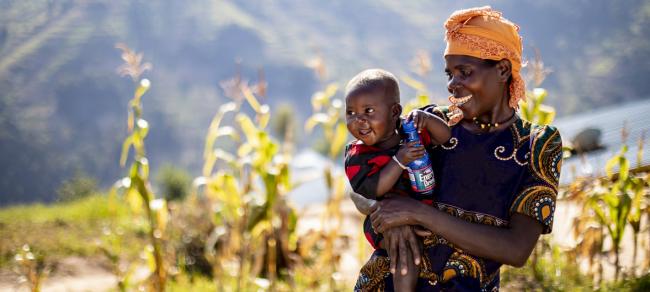
The “Green Village” concept, a Rwandan government initiative which is supported by UNDP, aims to tackle the African country’s growing natural resource challenges - including deforestation, soil erosion, access to water and unsustainable land use. It also ensures that the poorest Rwandans have access to homes, schools, water, gas and electricity.
Rwanda’s impressive 8 per cent economic growth-rate in the first 14 years of the new millennium, has helped to boost recovery in the aftermath of the 1994 genocide, however 40 percent of the population still lives in poverty.
People living in the Green Villages, which are located in the most disadvantaged rural areas, are provided with rain water collectors, improved sanitation, biogas facilities as well as one free cow per family.
UNDP Rwanda/ Alice Kayibanda
Support Our Journalism
We cannot do without you.. your contribution supports unbiased journalism
IBNS is not driven by any ism- not wokeism, not racism, not skewed secularism, not hyper right-wing or left liberal ideals, nor by any hardline religious beliefs or hyper nationalism. We want to serve you good old objective news, as they are. We do not judge or preach. We let people decide for themselves. We only try to present factual and well-sourced news.
Support objective journalism for a small contribution.