Dry, hot weather likely to reduce harvests in southern Africa, UN warns
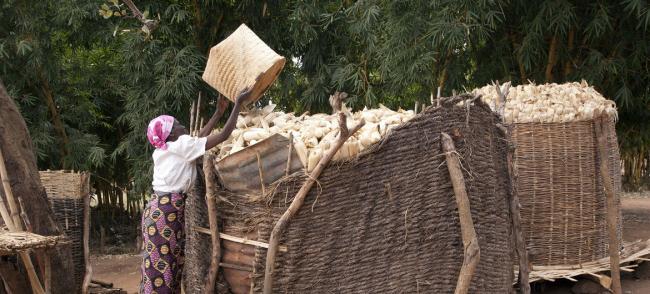
New York, Feb 28 (JEN): Southern Africa’s water sources and crops are under serious pressure as a long dry spell and high temperatures have taken hold in the region, the United Nations agriculture agency said Tuesday, warning that after record maize production in 2017, food shortages are set to worsen this year.
The Food and Agriculture Organization (FAO) said that while cereal stocks in the region are ample, the spell of dry weather and erratic rains earlier in the season signals multiple risks to agricultural yields and may aggravate the impact of the Fall Armyworm pest.
Reduced harvests are foreseen to intensify food insecurity in 2018, increasing the number of people in need of assistance, according to a new Special Alert issued by FAO’s Global Information and Early Warning System (GIEWS).
Maize production hit a record level in 2017 in the Southern Africa subregion, a welcome development after sharp output declines in the previous year caused by an unusually strong El Niño. Cereal production in the sub-region in 2018 is foreseen to fall due to erratic rains, along with an intense dry period in January.
The alert comes as FAO Director-General José Graziano da Silva, speaking in Sudan’s capital, Khartoum, emphasized the importance of boosting the resilience of communities – particularly in Africa – in making sure that “Zero Hunger is possible.”
Precipitation trends also matter greatly for the Fall Armyworm, an invasive species that has now been detected in all countries of the subregion, except Lesotho and Mauritius. While recent heavy rains in some localities may have contributed to containing the pest's spread, the general dry weather may help it spread and could exacerbate the impact on yields.
FAO/Amos Gumulira
Support Our Journalism
We cannot do without you.. your contribution supports unbiased journalism
IBNS is not driven by any ism- not wokeism, not racism, not skewed secularism, not hyper right-wing or left liberal ideals, nor by any hardline religious beliefs or hyper nationalism. We want to serve you good old objective news, as they are. We do not judge or preach. We let people decide for themselves. We only try to present factual and well-sourced news.
Support objective journalism for a small contribution.