


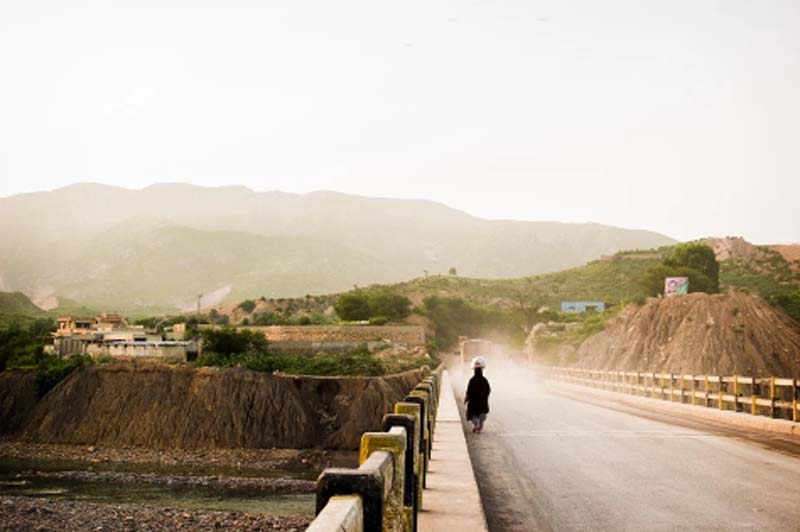
 Pakistan Mountains
Tourism in Pakistan’s mountainous regions affecting environment: World Bank
The World Bank has warned that tourism in the mountainous regions of Pakistan is placing increasing stress on the local environment, leading to increased pollution, natural habitat loss and pressure on endangered species, Dawn reported.
“These effects can gradually destroy the environmental resources on which tourism itself depends,” the World Bank said in a study.
According to the study titled Pakistan: Sustainable Solid Waste Management in Mountain Areas, reliable estimates on the quantity and characteristics of waste are not readily available in mountain areas, as these vary significantly depending on tourism influx, regional characteristics, and seasonal factors.
Additionally, mountain areas present unique challenges such as sudden spikes in the quantity of waste generated during tourist season, widely varying waste characteristics including large volume of plastic and other special waste and constraints of land availability for waste treatment and disposal, it says.
Pakistan has a rich mountain landscape, boasting some of the highest peaks and longest glaciers in the world. The Karakoram, Hindu Kush, and Himalayas are all part of the country.
Melting snow and meltwater from glaciers in the mountains also feed the country’s rivers, including the Indus, which is a key resource for Pakistan’s agricultural and industrial sectors, as well as for the country’s potable water requirements.
The study represents the first attempt of the World Bank to examine solid waste management issues in these unique, ecologically-fragile areas that face concurrent challenges of high poverty and increasing pressures from tourism development.
With funding from the Korea Green Growth Trust Fund, the World Bank had initiated the study “Supporting the Development of Sustainable Solid Waste Management Strategies for the Mountainous Regions of India, Nepal and Pakistan” with the objectives to analyze the current situation regarding solid waste management in the mountainous regions of the three neighbouring nations.
Support Our Journalism
We cannot do without you.. your contribution supports unbiased journalism
IBNS is not driven by any ism- not wokeism, not racism, not skewed secularism, not hyper right-wing or left liberal ideals, nor by any hardline religious beliefs or hyper nationalism. We want to serve you good old objective news, as they are. We do not judge or preach. We let people decide for themselves. We only try to present factual and well-sourced news.
Support objective journalism for a small contribution.


