


 Sri Lanka
Malnutrition to spike in Sri Lanka: Reports
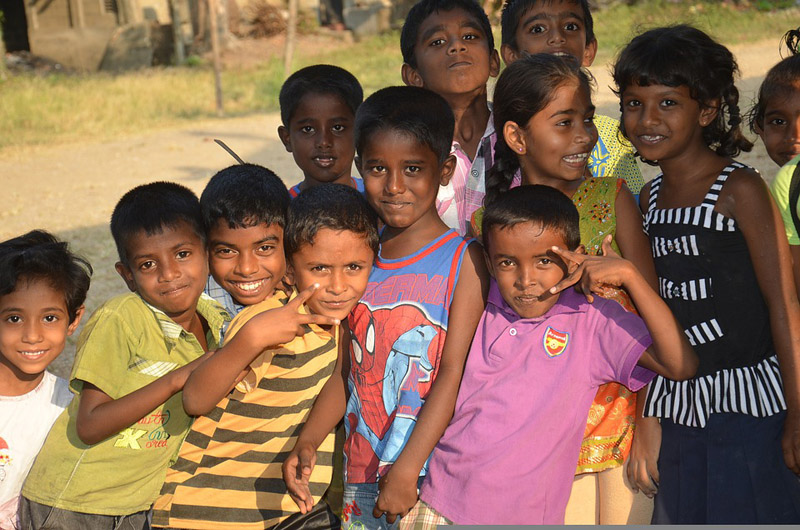
Colombo: Malnutrition will rise in the face of increased poverty and high food prices, the Sri Lanka Medical Nutrition Association, the Nutrition Society of Sri Lanka, the Dieticians Association and the Scaling Up Nutrition (SUN) People’s Forum say.
They have urged the authorities to stabilise the gains achieved in nutrition status of the vulnerable in Sri Lanka, especially of children less than 5 years of age, The Island newspaper reported.
The associations say that children under 5 are considered as the sentinel or observation group of the whole of the population nutrition status. Any change in the diet is quickly reflected among children especially of this age.
They said that malnutrition will rise in Sri Lanka in the face of increased poverty and high food prices brought about by the current economic crisis.
Currently the levels of poverty have risen bringing it to 14 per cent from a previous value of 6.7 per cent. This amounts to 700,000 families out of 4.9 million, which are “nutritionally at risk”.
There should be a systematic programme of intervention especially targeting these households and their vulnerable family members without piecemeal approaches on the part of the state and non-state actors, the groups said.
Support Our Journalism
We cannot do without you.. your contribution supports unbiased journalism
IBNS is not driven by any ism- not wokeism, not racism, not skewed secularism, not hyper right-wing or left liberal ideals, nor by any hardline religious beliefs or hyper nationalism. We want to serve you good old objective news, as they are. We do not judge or preach. We let people decide for themselves. We only try to present factual and well-sourced news.
Support objective journalism for a small contribution.


