September 21, 2026 12:19 am (IST)

Follow us:


UN urges eradication of forced labour once and for all
New York, May 21 (IBNS): Millions of people suffering under the yoke of modern slavery - more than half are women and girls primarily in commercial sex trade or domestic work - are generating some USD 150 billion a year in illegal profits for the people who are exploiting them, according to a new report released on Tuesday by the United Nations International Labour Organization (ILO).
The startling new report, Profits and Poverty: The Economics of Forced Labour, states that two thirds of the estimated total of USD 150 billion generated by forced labour – or USD 99 billion – came from commercial sexual exploitation, while another USD 51 billion resulted from forced economic exploitation, including domestic work, agriculture and other economic activities.
“This report is significant because it takes our understanding of trafficking, forced labour and slavery to a new level,” said ILO Director-General Guy Ryder, who explained that while it builds on the agency’s earlier studies, the new report looks at both the supply and the demand side of forced labour, and for the first time, provides solid evidence for a correlation between forced labour and poverty.
He stressed that forced labour is bad for business and development and especially for its victims. “Our new report adds new urgency to our efforts to eradicate this fundamentally evil, but hugely profitable practice as soon as possible,” he said, noting that while it shows that progress has been made in reducing State-imposed forced labour, there is now a need to focus more attention on understanding what continues to drive forced labour and trafficking in the private sector.
With new figures based on ILO data published in 2012 that estimated the number of people in forced labour, trafficking and modern slavery at 21 million, the report highlights income shocks and poverty as the main economic factors that push individuals into forced labour. Other factors contributing to risk and vulnerability include lack of education, illiteracy, gender and migration.
Urging more focus on the socio-economic factors that make people vulnerable to forced labour in the private sector, Beate Andrees, head of the ILO’s Special Action Programme to Combat Forced Labour called for a series of measures, including, among others, bolstering social protection to prevent poor households from abusive lending or indenture in the event of sudden income shocks; investing in education and skills training for vulnerable workers; and promoting a rights-based approach to migration to prevent irregular employment and abuse of migrant workers.
“If we want to make a significant change in the lives of the 21 million men, women and children in forced labour, we need to take concrete and immediate action,” said Ryder. “That means working with Governments to strengthen law, policy and enforcement, with employers to strengthen their due diligence against forced labour, including in their supply chains, and with trade unions to represent and empower those at risk.”
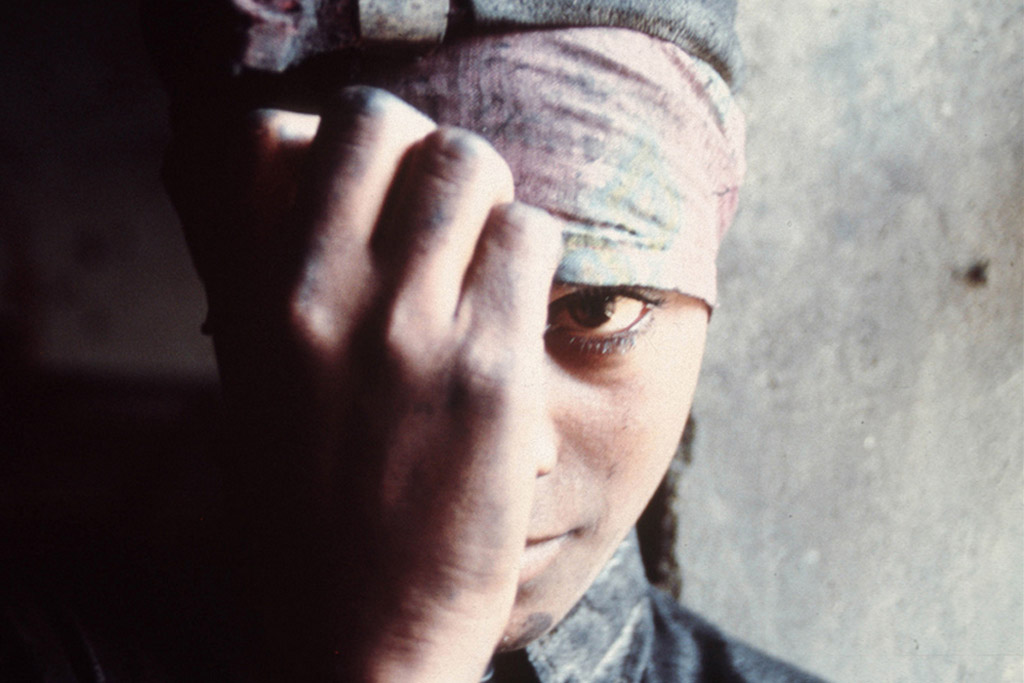
(Forced labour often means unpaid wages, excessively long work hours without rest days, confiscation of ID documents, little freedom of movement, deception, intimidation and physical or sexual violence. ILO/A. Khemka)
Support Our Journalism
We cannot do without you.. your contribution supports unbiased journalism
IBNS is not driven by any ism- not wokeism, not racism, not skewed secularism, not hyper right-wing or left liberal ideals, nor by any hardline religious beliefs or hyper nationalism. We want to serve you good old objective news, as they are. We do not judge or preach. We let people decide for themselves. We only try to present factual and well-sourced news.
Support objective journalism for a small contribution.



Latest Headlines
Italy PM Meloni announces big school plan: Burqa, hijab ban and cap on foreign students
Sun, Sep 20 2026
North Korea fires two missiles toward East Sea, South Korea confirms
Sun, Sep 20 2026
Houthis claim Saudi F-15 shot down as Mecca drone row escalates
Wed, Sep 16 2026