


UN rights expert urges States to step-up anti-slavery efforts to protect most vulnerable during COVID-19
New York/IBNS: A UN human rights expert urged governments on Tuesday to increase protection for those millions of workers, who due to the COVID-19 pandemic, risk being pushed into exploitative jobs that are tantamount to slavery.
“The severe socio-economic effect of the COVID-19 pandemic is likely to increase the scourge of modern-day slavery, already impacting over 40 million people before the global pandemic”, said Tomoya Obokata, who assumed the role of the Special Rapporteur on the Contemporary Forms of Slavery at the beginning of this month.
“These factors have dramatically increased peoples’ vulnerability to exploitation, which may amount to enslavement”, he cautioned.
Informal sector, most vulnerable The Special Rapporteur pointed out that while the COVID-19 pandemic has affected billions, the impact is much harsher for those in the informal economy, as well as day labourers, temporary employees and all those without social protection coverage. Many are women and migrants.
And between financial shocks and inadequate governmental support, children face an even higher risk of exposure to the worst forms of child labour.
“Identification and rehabilitation of the victims of contemporary forms of slavery is difficult due to the clandestine and hidden nature of these crimes and is likely to become even more challenging as States are shifting protection resources to combat the pandemic”, explained Mr. Obokata.
During the coronavirus health emergency, he encouraged States to identify those most at risk: “If no action is taken in this regard, there is a risk that significantly more people will be pushed into slavery now and in the long term.”
Moreover, he reminded that States’ swift action in doing so is also “indispensable to achieve the targets set by the Agenda for Sustainable Development Goals (SDGs) to eradicate slavery by 2030”.
Coronavirus a long-term consideration
Over the next three years, Mr. Obokata will explore a range of issues, including the increased risks of contemporary forms of slavery as it links to the socio-economic impact of COVID-19.
Special Rapporteurs and independent experts are appointed by the Geneva-based UN Human Rights Council to examine and report back on a specific human rights theme or a country situation. The positions are honorary and the experts are not UN staff, nor are they paid for their work.
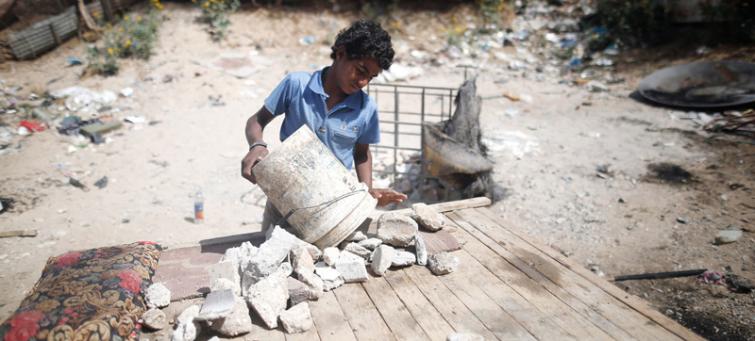
Photo caption and credit: UNICEF/Eyas El Baba Thirteen-year-old boy in Palestine collects rubble near Gaza City, which he transports by donkey to the market to sell. (file)
Support Our Journalism
We cannot do without you.. your contribution supports unbiased journalism
IBNS is not driven by any ism- not wokeism, not racism, not skewed secularism, not hyper right-wing or left liberal ideals, nor by any hardline religious beliefs or hyper nationalism. We want to serve you good old objective news, as they are. We do not judge or preach. We let people decide for themselves. We only try to present factual and well-sourced news.
Support objective journalism for a small contribution.


