


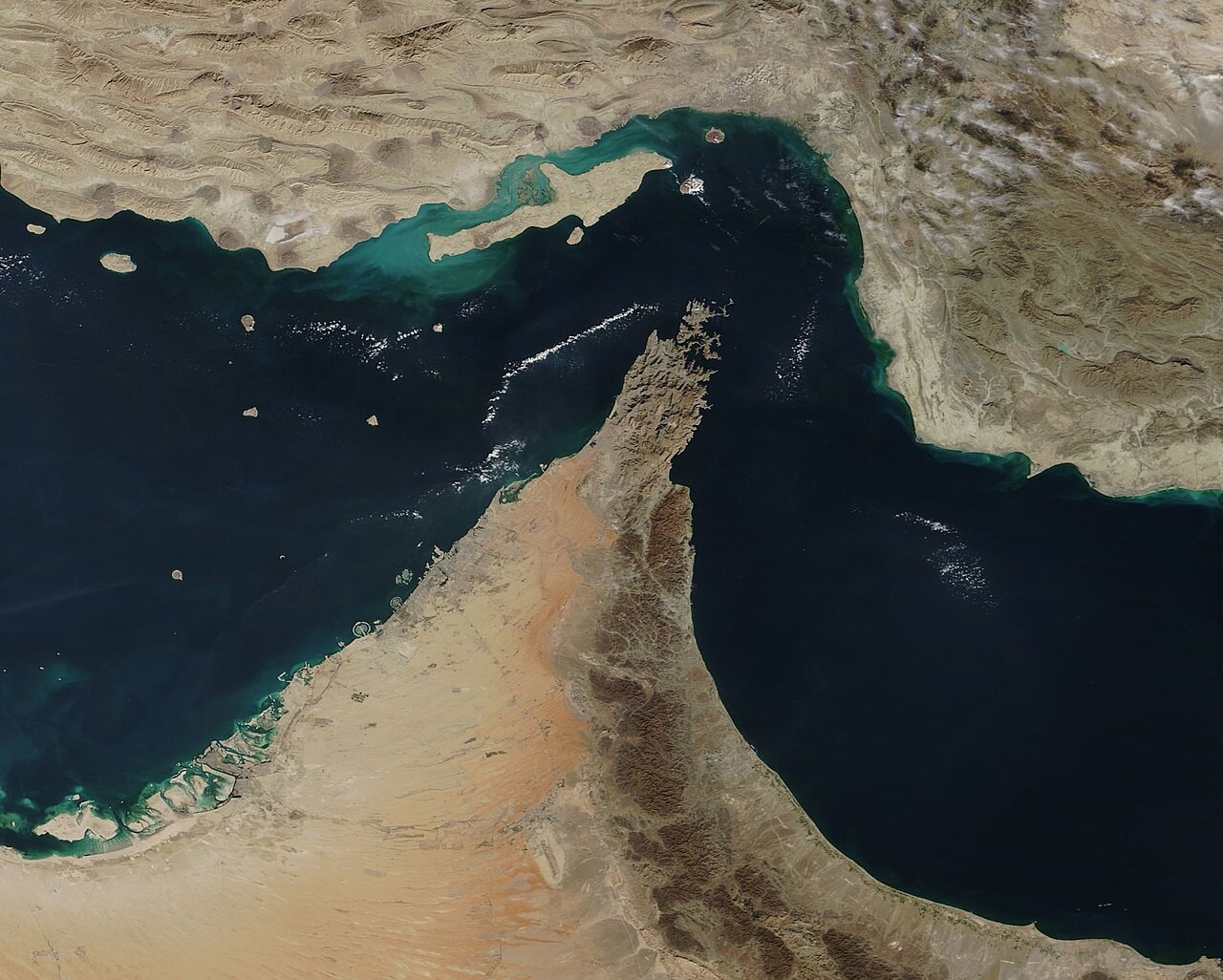
Saudi Arabia is 'pressing' US to ease Iran blockade amid fears of wider oil disruption
Saudi Arabia has reportedly urged the administration of US President Donald Trump to roll back its blockade targeting Iranian ports, warning that the move could trigger a dangerous escalation in the region.
According to a report by The Wall Street Journal, Riyadh is pressing Washington to return to negotiations, fearing that heightened pressure on Tehran could destabilise critical global shipping routes.
Hormuz blockade sparks fresh risks
The US decision to block Iranian shipments through the Strait of Hormuz is aimed at intensifying economic pressure on Iran.
However, Saudi officials are concerned that Tehran could retaliate by targeting other key chokepoints.
One major concern is the Bab al-Mandeb strait — a crucial Red Sea gateway for Saudi oil exports — which could become the next flashpoint if tensions escalate further.
Threat to Red Sea oil routes
Saudi Arabia has managed to restore oil exports to nearly seven million barrels per day by rerouting supplies across the desert to the Red Sea. But those shipments could be at risk if Bab al-Mandeb is disrupted.
The strategic waterway is partly controlled by Yemen’s Houthi rebels, who are backed by Iran and have previously targeted shipping in the region.
Iran and allies signal retaliation
Iran has indicated that any attempt to choke its maritime routes would invite a broader response. Officials have warned that if Iranian ports are threatened, other ports across the Persian Gulf and surrounding waters may also become unsafe.
Tehran has also hinted at using its regional allies to exert pressure, raising fears that the Houthis could again disrupt shipping in the Red Sea.
The six-week conflict has exposed the vulnerability of global energy infrastructure. The Strait of Hormuz — which typically handles around 20% of global oil and LNG flows — has already seen severe disruption, with millions of barrels per day affected.
Oil prices have surged past $100 per barrel amid fears of prolonged instability.
US defends strategy
The White House has defended the blockade, saying it is necessary to ensure the free flow of energy and prevent Iran from exerting leverage over global markets.
Officials maintain that the US remains in close contact with its Gulf allies and is working to secure regional stability.
Gulf states push for diplomacy
Despite their concerns about Iran’s growing influence, Gulf nations — including Saudi Arabia — are increasingly advocating for a diplomatic resolution.
The conflict has shattered a long-standing uneasy balance between Iran and its neighbours, who now fear that prolonged confrontation could severely damage their economies.
With tensions running high, regional powers are pushing for renewed talks, wary that further escalation could disrupt global trade and energy supplies on an unprecedented scale.
Support Our Journalism
We cannot do without you.. your contribution supports unbiased journalism
IBNS is not driven by any ism- not wokeism, not racism, not skewed secularism, not hyper right-wing or left liberal ideals, nor by any hardline religious beliefs or hyper nationalism. We want to serve you good old objective news, as they are. We do not judge or preach. We let people decide for themselves. We only try to present factual and well-sourced news.
Support objective journalism for a small contribution.


