


 Iran War
Israel says Iranian naval commander overseeing Strait of Hormuz blockade killed in strike
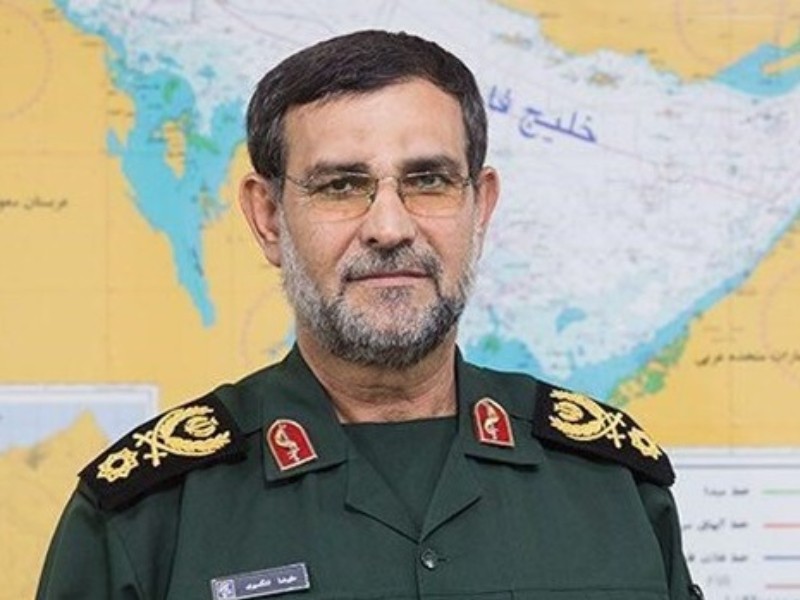
Israel has claimed that Alireza Tangsiri, the naval commander of Iran's Islamic Revolutionary Guard Corps (IRGC), has been killed in a strike near Bandar Abbas.
Israeli media reports, citing an official source, said the operation was conducted jointly with the United States.
There has been no immediate confirmation from Iran or the Israeli military. If verified, the development would mark another high-profile casualty in the ongoing conflict, now entering its fourth week.
Tangsiri, who had led the IRGC Navy since 2018, was regarded as a central figure in Iran’s maritime strategy, particularly its actions in the Strait of Hormuz.
Role in Hormuz blockade
Tangsiri played a key role in enforcing Iran’s blockade of the Strait of Hormuz, one of the world’s most critical energy transit routes.
The waterway connects the Persian Gulf to global shipping lanes and handles nearly 20 percent of the world’s traded oil and natural gas under normal conditions.
Iran has reportedly restricted passage for vessels it considers linked to US or Israeli interests while allowing limited movement for others.
The disruption has had a significant impact on global shipping flows.
Data from maritime analytics firms indicate a sharp decline in traffic through the strait.
From March 1 to 25, only 155 commodity carrier crossings were recorded, representing a drop of around 95 percent compared to usual volumes.
Shipping disruptions and economic impact
The reduction in maritime traffic has strained global energy supply chains. Typically, about 120 vessels transit the strait daily, but recent figures show only a handful of crossings on certain days.
Reports suggest Iran has also explored mechanisms to regulate passage, including imposing transit fees on ships. Some vessels are believed to have paid in Chinese yuan to secure safe passage, indicating a shift in regional trade practices.
The disruption has heightened concerns among energy markets and governments reliant on Gulf oil exports.
Broader conflict and leadership losses
The reported killing of Tangsiri comes amid a series of targeted strikes against senior Iranian figures since the conflict escalated in late February.
Several military commanders and key political figures have been killed in operations attributed to US-Israeli actions.
Despite these losses, Iran’s governing structure has continued to function.
The country’s system blends clerical authority with elected institutions, supported by the IRGC’s extensive military and strategic network.
Earlier this month, the reported death of Ali Larijani, a senior adviser and influential political figure, was seen as a significant setback due to his experience and role in bridging internal power centres.
Support Our Journalism
We cannot do without you.. your contribution supports unbiased journalism
IBNS is not driven by any ism- not wokeism, not racism, not skewed secularism, not hyper right-wing or left liberal ideals, nor by any hardline religious beliefs or hyper nationalism. We want to serve you good old objective news, as they are. We do not judge or preach. We let people decide for themselves. We only try to present factual and well-sourced news.
Support objective journalism for a small contribution.


