


 Iran
Iran
Iran set to hang 26-year-old protester in first reported execution linked to anti-Khamenei uprising
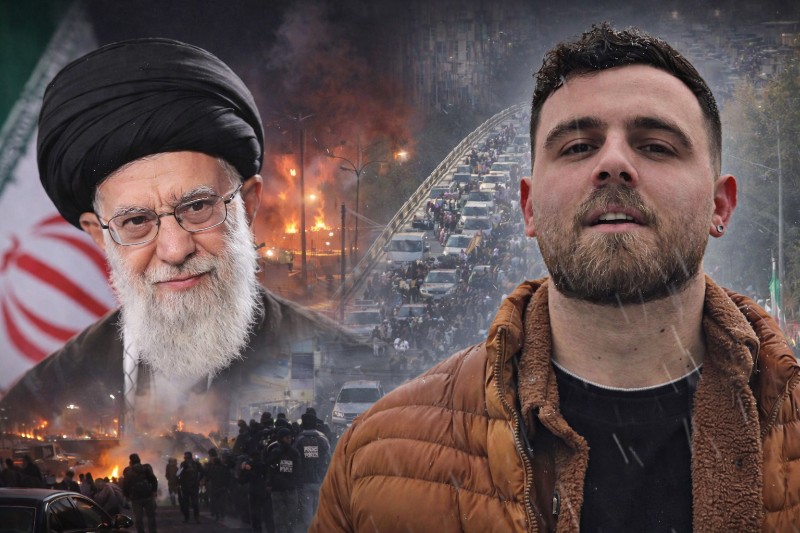
Tehran/IBNS: Iranian authorities are reportedly preparing to carry out what could become the first reported hanging execution connected to the ongoing anti-Khamenei protests.
Erfan Soltani, a 26-year-old protester, is facing imminent execution, according to human rights organisations and international media reports.
Soltani, a resident of Fardis in the Karaj suburb near Tehran, was arrested on January 8 for participating in demonstrations against Supreme Leader Ayatollah Ali Khamenei.
The protests, which erupted earlier this month, have rapidly spread across several Iranian cities amid growing public anger.
Arrest and death sentence
According to reports, Soltani’s execution is scheduled for Wednesday.
If carried out, it would mark the first hanging linked to the current wave of unrest.
While Iran has previously executed protesters, those punishments were largely carried out by firing squad.
Human rights monitors say this shift to hanging signals a harsher phase of state repression.
Israel- and US-based outlet Jfeed reported that Soltani’s case could mark the start of a series of rapid executions aimed at discouraging further demonstrations across the country.
Concerns over secretive legal process
The Hengaw Organisation for Human Rights, a Norway-based Kurdish civil rights group, has raised serious concerns about the lack of transparency surrounding Soltani’s trial and sentencing.
According to Hengaw, Soltani has been denied access to legal counsel and was not given a fair opportunity to defend himself in court.
His family has also reportedly been kept in the dark about key developments, including which authority arrested him and the specific charges filed against him.
Family given brief final visit
Reports indicate that Soltani’s family was informed on January 11 that he had been sentenced to death.
They were reportedly allowed only a brief 10-minute visit with him after learning of the verdict.
A source close to the family told Hengaw that authorities have made it clear the sentence is final and will be implemented as scheduled.
Sister barred from defending him
Soltani’s sister, a licensed lawyer, has attempted to intervene legally.
However, she has allegedly been denied access to his case file and prevented from representing him or challenging the ruling.
Human rights activists argue that these restrictions violate basic legal standards and reflect the regime’s increasing reliance on fear to suppress dissent.
Global reaction and allegations
Lebanese-Australian entrepreneur Mario Nawfal posted about the case on X, warning that Soltani’s execution could be “the first of many.”
He alleged that Iranian authorities are using terror tactics to silence protesters.
Nawfal also claimed that nearly 2,000 people have died in the ongoing protests, though independent verification of this figure remains unavailable.
Roots of current protests
The latest wave of demonstrations began in late December 2025, triggered by severe economic hardship.
Iran has been grappling with a sharp fall in the value of the rial, soaring inflation and rising prices of essential goods.
The protests initially erupted in Tehran’s major bazaars, where shopkeepers and traders shut down businesses in protest.
Students and working-class citizens soon joined, transforming the demonstrations into a nationwide movement.
From economic anger to political revolt
What began as economic unrest has now evolved into one of the largest political movements in years.
Protesters are no longer just demanding financial relief but are openly calling for systemic change and the removal of Iran’s clerical leadership.
Activists say the demonstrations represent a direct challenge to the rule of Ayatollah Ali Khamenei, with growing calls for reforms and an end to decades of authoritarian governance.
Fears of wider crackdown
Human rights groups warn that Soltani’s execution could open the door to a wave of fast-track death sentences against protesters.
Observers fear the regime is preparing to intensify its crackdown as dissent continues to spread.
As international attention grows, pressure is mounting on Tehran to halt executions and respect due process.
However, the government has so far shown little sign of backing down.
Support Our Journalism
We cannot do without you.. your contribution supports unbiased journalism
IBNS is not driven by any ism- not wokeism, not racism, not skewed secularism, not hyper right-wing or left liberal ideals, nor by any hardline religious beliefs or hyper nationalism. We want to serve you good old objective news, as they are. We do not judge or preach. We let people decide for themselves. We only try to present factual and well-sourced news.
Support objective journalism for a small contribution.


