


Europe, Central Asia 'transitioning' to new nutrition challenges, cautions UN agency
In a new report, the UN Food and Agriculture Organization (FAO) is arguing that people now need to look beyond whether they are consuming enough calories and focus more on balanced and healthy diet – especially for children.
“As we trace the structure of diets as incomes increase, we find that the portion of total calories derived from sweeteners, vegetable oils and animal products increases, while that derived from cereals declines,” said FAO economist and the report author David Sedik.
“There are important nuances, but the general tendency is clear,” he added.
'Triple' malnutrition burden
According to FAO, undernutrition has largely been overcome in the region and only seven per cent of the population there live in countries where the predominant nutrition problems are undernutrition and micronutrient deficiencies.
However, malnutrition caused by deficiencies in micronutrients such as iron, Vitamin A and zinc, and overnutrition issues measured by overweight and obesity, have persisted and are now increasing.
At present, 13 per cent of the region's population lives in countries suffering from a “triple burden” of all three nutrition problems – undernutrition, micronutrient deficiencies and overnutrition – noted the report.
Especially concerning is that 57 per cent of people in Europe and Central Asia live in countries where the main problem is overnutrition and 70 per cent of the population suffer from malnutrition characterized predominantly by a triple malnutrition burden or by overnutrition.
“The situation is not static, however. Countries in the undernutrition group are on track to join the triple-burden category in the years ahead,” said the UN agency.
Remedial measures
To address these challenges, the report calls for exploring policies that address food insecurity, tailored to the income and nutrition profile of each country.
One such option is food fortification. For instance, fortification of milk with vitamin D, salt with iodine, wheat flour with iron, folic acid and thiamine are examples of this approach.
Similarly, bio-fortification (using plant breeding to increase the micronutrient content of crops) could be used to offset the relatively low micronutrient content of wheat in Central Asia and the Caucasus, where cereals supply more than 50 percent of dietary energy.
Other options could include reformulating popular convenience foods to improve their nutritional value; implementing taxes or subsidies to change the relative prices of foods depending on their health benefit; educating people on importance of a nutritious, healthy and balanced diet; better nutritional labelling of food products; and food assistance programmes including vouchers.
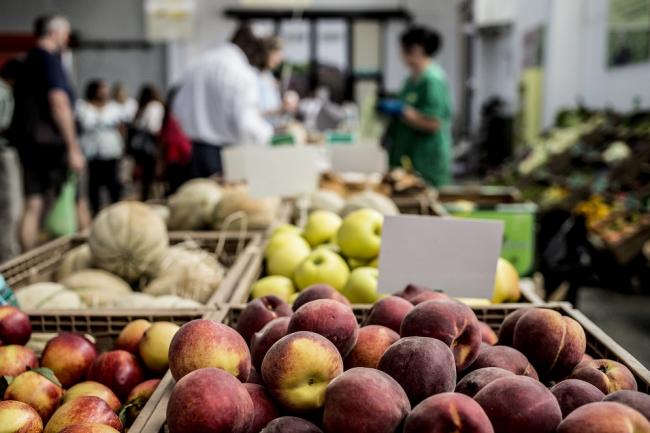
Photo: FAO/Alessandra Benedetti
Source: www.justearthnews.com
Support Our Journalism
We cannot do without you.. your contribution supports unbiased journalism
IBNS is not driven by any ism- not wokeism, not racism, not skewed secularism, not hyper right-wing or left liberal ideals, nor by any hardline religious beliefs or hyper nationalism. We want to serve you good old objective news, as they are. We do not judge or preach. We let people decide for themselves. We only try to present factual and well-sourced news.
Support objective journalism for a small contribution.


