


African migrants reportedly being sold in ‘slave markets’ in Libya, UN agency warns
The International Organization for Migration (IOM) is sounding the alarm on Tuesday after its staff in Niger and Libya documented over the past weekend shocking testimonies of trafficking victims from several African nations, including Nigeria, Ghana and the Gambia. They described 'slave markets' tormenting hundreds of young African men bound for Libya.
Operations Officers with IOM’s office in Niger reported on the rescue of a Senegalese migrant who this week was returning to his home after being held captive for months. According to the young man’s testimony, while trying to travel north through the Sahara, he arrived in Agadez, Niger, where he was told he would have to pay about $320 to continue north, towards Libya. A trafficker provided him with accommodation until the day of his departure, which was to be by pick-up truck.
When his pick-up reached Sabha in southwestern Libya, the driver insisted that he hadn’t been paid by the trafficker, and that he was transporting the migrants to a parking area where the young man witnessed a slave market taking place. “Sub-Saharan migrants were being sold and bought by Libyans, with the support of Ghanaians and Nigerians who work for them,” IOM Niger staff reported.
Reports of slave markets can be added to a ‘long list of outrages’ in Libya
“The latest reports of ‘slave markets’ for migrants can be added to a long list of outrages [in Libya],” said Mohammed Abdiker, IOM’s head of operation and emergencies. “The situation is dire. The more IOM engages inside Libya, the more we learn that it is a vale of tears for all too many migrants.”
Abdiker added that in recent months IOM staff in Libya had gained access to several detention centres, where they are trying to improve conditions. “What we know is that migrants who fall into the hands of smugglers face systematic malnutrition, sexual abuse and even murder. Last year we learned 14 migrants died in a single month in one of those locations, just from disease and malnutrition. We are hearing about mass graves in the desert.”
He said so far this year, the Libyan Coast Guard and others have found 171 bodies washed up on Mediterranean shores, from migrant voyages that foundered off shore. The Coast Guard has also rescued thousands more, he added.
“Migrants who go to Libya while trying to get to Europe, have no idea of the torture archipelago that awaits them just over the border,” said Leonard Doyle, chief IOM spokesman in Geneva. “There they become commodities to be bought, sold and discarded when they have no more value.
Many describe being sold “in squares or garages” by locals in the south-western Libyan town of Sabha, or by the drivers who trafficked them across the Sahara desert.
Doyle added: “To get the message out across Africa about the dangers, we are recording the testimonies of migrants who have suffered and are spreading them across social media and on local FM radio. Tragically, the most credible messengers are migrants returning home with IOM help. Too often they are broken, brutalized and have been abused, often sexually. Their voices carry more weight than anyone else’s.”
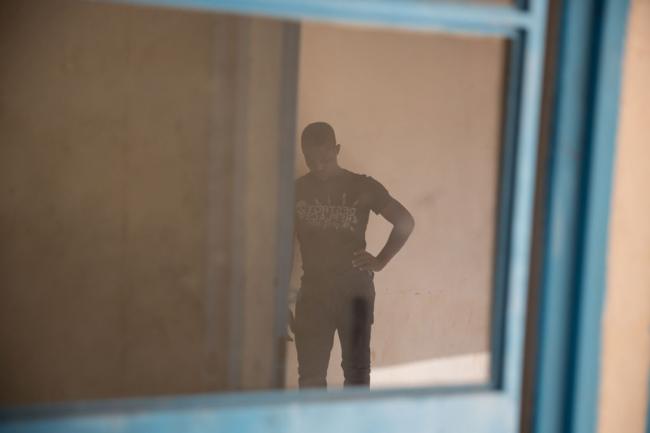
Photo: IOM 2016/Amanda Nero Photo: IOM 2016/Amanda Nero
Source: www.justearthnews.com
Support Our Journalism
We cannot do without you.. your contribution supports unbiased journalism
IBNS is not driven by any ism- not wokeism, not racism, not skewed secularism, not hyper right-wing or left liberal ideals, nor by any hardline religious beliefs or hyper nationalism. We want to serve you good old objective news, as they are. We do not judge or preach. We let people decide for themselves. We only try to present factual and well-sourced news.
Support objective journalism for a small contribution.


