


Tribal population more vulnerable to COVID-19
Kolkata/UNI: Absence of healthcare facilities can severely limit the capacities to deal with any major COVID-19 outbreak in tribal areas, posing a serious threat to them.
"The tribal areas of the country suffer from a severe shortage of basic healthcare facilities and professionals. This has led to malnutrition and prevalence of diseases like malaria, leprosy, tuberculosis among others. This makes tribal and forest communities vulnerable to the coronavirus more than other people," Dr Naresh Purohit, visiting Professor at the Kolkata based West Bengal University of Health Sciences, School of Public Health told UNl here today.
Dr Purohit , who is Advisor, National Tribal Health and Family Welfare Programme, pointed out that COVID-19 impacts people with compromised health conditions and low immunity. This increases risks of infection to the tribal and forest communities living in deprivation.
"High levels of social deprivation and exclusion in these communities has led to a prevalence of diseases and conditions like malnutrition, malaria, leprosy, tuberculosis (TB) and other diseases," noted the medic.
"Testing and monitoring of covid disease is inadequate in tribal population and is mostly limited to urban areas. Providing testing facilities in tribal areas is a major challenge .The government should immediately ensure adequate awareness and healthcare to protect the rights and livelihoods of the tribal communities," he added.
The physician cautioned that malnutrition and anaemia are highly prevalent among majority of tribal people. During the lockdown, if the communities lack access to nutrition, the incidence of malnutrition among children under six years and anaemia among adolescent girls, pregnant women and lactating mothers will go up, the doctor said.
'The government should coordinate with civil society organisations in order to reach out to the tribal population in remote areas,' said Dr Purohit .
'The government needs to develop mechanisms and involve civil society organisations for COVID-19 affected state. There is a need to work closely with the local community to ensure that the entitlements reach them. The states with high tribal population should see more proactive efforts,' suggested the noted medic.
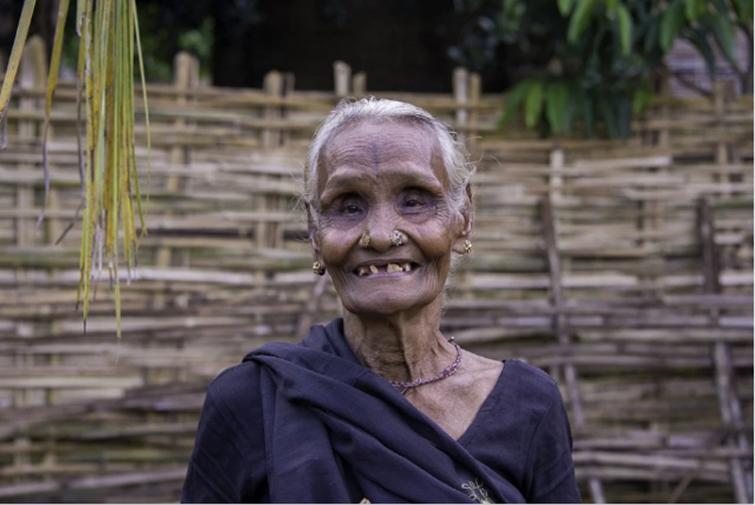
Representative Image: Pixabay
Support Our Journalism
We cannot do without you.. your contribution supports unbiased journalism
IBNS is not driven by any ism- not wokeism, not racism, not skewed secularism, not hyper right-wing or left liberal ideals, nor by any hardline religious beliefs or hyper nationalism. We want to serve you good old objective news, as they are. We do not judge or preach. We let people decide for themselves. We only try to present factual and well-sourced news.
Support objective journalism for a small contribution.


