


 Loneliness
Loneliness could cost you nearly 6 healthy years, major study finds
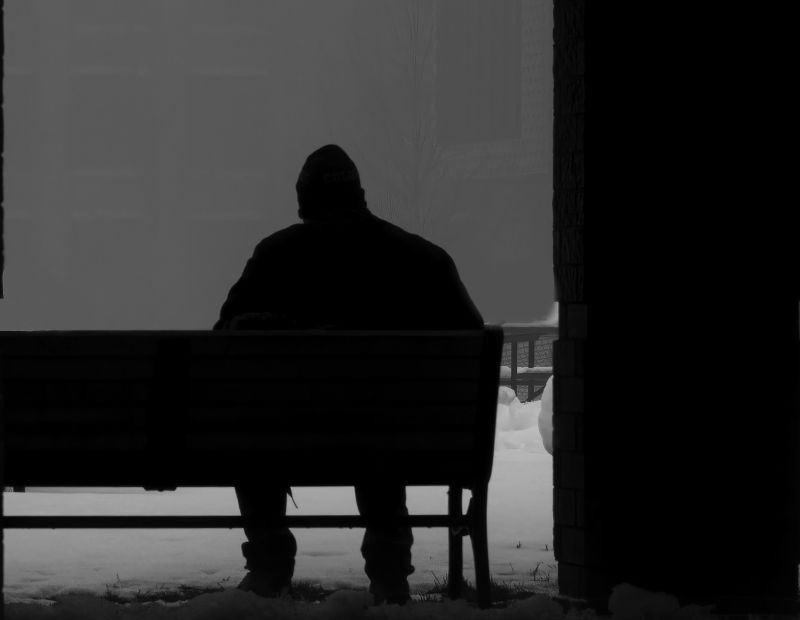
The numbers paint a grim picture. Roughly half of all U.S. adults are lonely, according to a 2023 report, and nearly as many feel socially isolated. Though just as serious as other health risks, loneliness and social isolation remain underappreciated as urgent public health concerns.
But just how many healthy years might loneliness and social isolation actually cost us? Researchers did not have a clear answer — until now.
A team from Tulane University’s Celia Scott Weatherhead School of Public and Tropical Medicine has completed a first-of-its-kind observational study, published in Nature Communications, that found loneliness and social isolation are costing people nearly six years of life free from mental disorders like depression and anxiety, with a smaller but still significant toll on physical health.
“Overall, the study found that social isolation and loneliness can have a significant impact on disease-free life expectancy,” said lead author Lu Qi, HCA Regents Distinguished Chair and professor in Celia Scott Weatherhead School of Public and Tropical Medicine at Tulane. “This includes both physical and mental disease.”
While loneliness and social isolation seem interchangeable and connected in everyday language, public health researchers define them in two separate and distinct ways. Social isolation is an objective measure of the amount of social connection a person has, while loneliness is a subjective measure of a person’s dissatisfaction with the quality of their relationships — regardless of how social the person actually is.
“The findings weren’t surprising to me,” Qi said. “Previous studies found that social isolation and loneliness are related to mortality, especially premature mortality, and this study provides additional evidence.”
The researchers tracked and analyzed data from 277,489 adults, between the ages of 40 and 69, who began the study free of seven major chronic conditions: diabetes, heart disease, lung disease, dementia, cancer, depression and anxiety. They then measured how loneliness and social isolation affected how many disease-free years people could expect to live, using age 50 as a reference point.
Compared to their counterparts with neither loneliness nor social isolation, women experiencing both lived 2.4 fewer years free of physical disease, and men lived 1.7 fewer years. The toll on mental health was even greater: women lived roughly 3.7 fewer years free of mental disorders, and men lived approximately 5.8 fewer years.
“This comes down to the gender differences between men and women,” Qi said. “Our research found men are more susceptible to being affected by loneliness. We also know that women tend to live longer than men. There are gender advantages with certain diseases.”
Notably, the researchers found that a healthier lifestyle — including diet, exercise, sleep and not smoking — measurably narrowed the loss of disease-free years linked to social isolation. However, a healthier lifestyle did not significantly reduce the added health risks of loneliness, suggesting the two conditions may call for different kinds of intervention.
Future research will see the team examine different population groups and test causality through clinical trials.
Support Our Journalism
We cannot do without you.. your contribution supports unbiased journalism
IBNS is not driven by any ism- not wokeism, not racism, not skewed secularism, not hyper right-wing or left liberal ideals, nor by any hardline religious beliefs or hyper nationalism. We want to serve you good old objective news, as they are. We do not judge or preach. We let people decide for themselves. We only try to present factual and well-sourced news.
Support objective journalism for a small contribution.


