


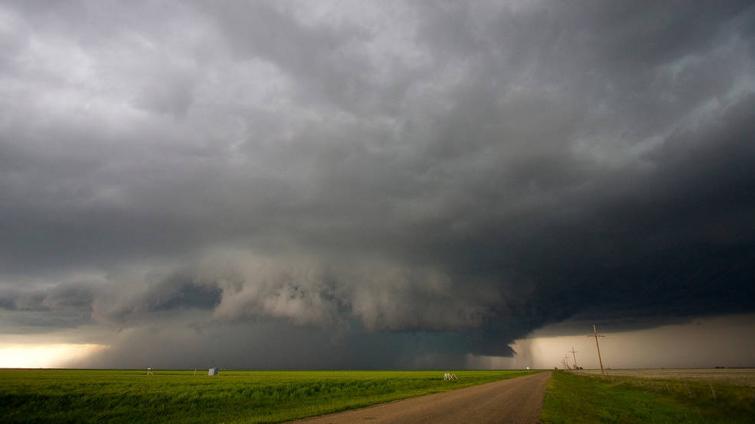
Warming seas may increase frequency of extreme storms: Study
Washington, Jan 30 (IBNS): A new NASA study shows that warming of the tropical oceans due to climate change could lead to a substantial increase in the frequency of extreme rain storms by the end of the century.
The study team, led by Hartmut Aumann of NASA's Jet Propulsion Laboratory in Pasadena, California, combed through 15 years of data acquired by NASA's Atmospheric Infrared Sounder (AIRS) instrument over the tropical oceans to determine the relationship between the average sea surface temperature and the onset of severe storms.
They found that extreme storms — those producing at least 0.12 inches (3 millimeters) of rain per hour over a 16-mile (25-kilometer) area — formed when the sea surface temperature was higher than about 82 degrees Fahrenheit (28 degrees Celsius), read the NASA website.
They also found that, based on the data, 21 percent more storms form for every 1.8 degrees Fahrenheit (1 degree Celsius) that ocean surface temperatures rise.
"It is somewhat common sense that severe storms will increase in a warmer environment. Thunderstorms typically occur in the warmest season of the year," Aumann explained. "But our data provide the first quantitative estimate of how much they are likely to increase, at least for the tropical oceans."
Currently accepted climate models project that with a steady increase of carbon dioxide in the atmosphere (1 percent per year), tropical ocean surface temperatures may rise by as much as 4.8 degrees Fahrenheit (2.7 degrees Celsius) by the end of the century. The study team concludes that if this were to happen, we could expect the frequency of extreme storms to increase by as much as 60 percent by that time.
Although climate models aren't perfect, results like these can serve as a guideline for those looking to prepare for the potential effects a changing climate may have.
"Our results quantify and give a more visual meaning to the consequences of the predicted warming of the oceans," Aumann said. "More storms mean more flooding, more structure damage, more crop damage and so on, unless mitigating measures are implemented."
The peer-reviewed study was published in the December 2018 issue of the Geophysical Research Letters journal.
Image Credit: UCAR
Support Our Journalism
We cannot do without you.. your contribution supports unbiased journalism
IBNS is not driven by any ism- not wokeism, not racism, not skewed secularism, not hyper right-wing or left liberal ideals, nor by any hardline religious beliefs or hyper nationalism. We want to serve you good old objective news, as they are. We do not judge or preach. We let people decide for themselves. We only try to present factual and well-sourced news.
Support objective journalism for a small contribution.


