 Turkey Drones
Turkish tech, Pakistani push: A new dimension in border hostilities
In a troubling escalation of hostilities along the India-Pakistan border, hundreds of advanced drones—reportedly supplied by Turkey—were deployed in a coordinated aerial offensive by Pakistan, sparking alarm in Indian defense circles and raising the specter of a broader regional conflict.
On the night of May 8th and into the early hours of May 9th, Indian military sources confirm that Pakistan launched a series of aggressive maneuvers targeting military infrastructure across India’s western front.
The incursion included multiple violations of Indian airspace and heavy artillery fire along the Line of Control (LoC).
Most notably, 300 to 400 drones attempted to breach Indian airspace at 36 different points, from Leh in the north to Sir Creek in the south.
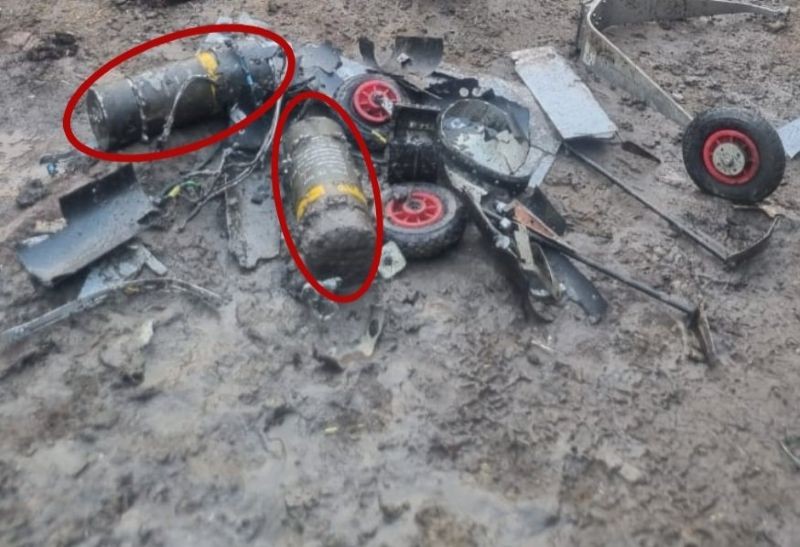
Indian air defense systems responded swiftly, successfully intercepting and neutralizing a significant number of the unmanned aerial vehicles (UAVs) using both kinetic weapons and electronic warfare tactics. Forensic analysis of the downed drones is currently underway, but initial assessments identify them as Songar drones manufactured by Turkish defense firm AsisGuard.
The involvement of Turkish drones adds a new and complex dimension to the long-standing conflict between India and Pakistan. The revelation that Turkey—under the leadership of President Recep Tayyip Erdoğan—has supplied sophisticated military technology to Pakistan is likely to strain Ankara’s diplomatic relations with New Delhi and may prompt wider international scrutiny.
“This is not just a border skirmish; it represents a deliberate attempt to probe our air defense capabilities and gather sensitive military intelligence,” a senior Indian defense official said on condition of anonymity. “The scale and coordination of the drone intrusions mark a significant escalation.”
Strategic analysts warn that the use of such drones, capable of both reconnaissance and precision strikes, signals a shift in Pakistan’s tactical approach and reflects a growing reliance on emerging military technologies. More concerning, however, is the potential for further entanglement of international actors in what has traditionally been a bilateral conflict.
President Erdoğan’s visible support for Pakistan—especially amid ongoing tensions in South Asia—has already stirred debate among global observers. The latest incident will likely amplify calls for greater accountability and transparency in international arms transfers.
India remains on high alert, with increased surveillance and air defense readiness reported across its northern and western sectors. Meanwhile, diplomatic channels are expected to be activated in coming days as New Delhi prepares to register a strong protest with both Islamabad and Ankara.
As tensions mount and the ground situation remains volatile, the region watches warily for the next move in what could become a defining chapter in South Asia’s security landscape.
(Text Courtesy: Khalsavox.com/ Photo Courtesy: Indian Army X page)
Support Our Journalism
We cannot do without you.. your contribution supports unbiased journalism
IBNS is not driven by any ism- not wokeism, not racism, not skewed secularism, not hyper right-wing or left liberal ideals, nor by any hardline religious beliefs or hyper nationalism. We want to serve you good old objective news, as they are. We do not judge or preach. We let people decide for themselves. We only try to present factual and well-sourced news.