Supreme Court allows Travancore royal family to manage Padmanabhaswamy temple
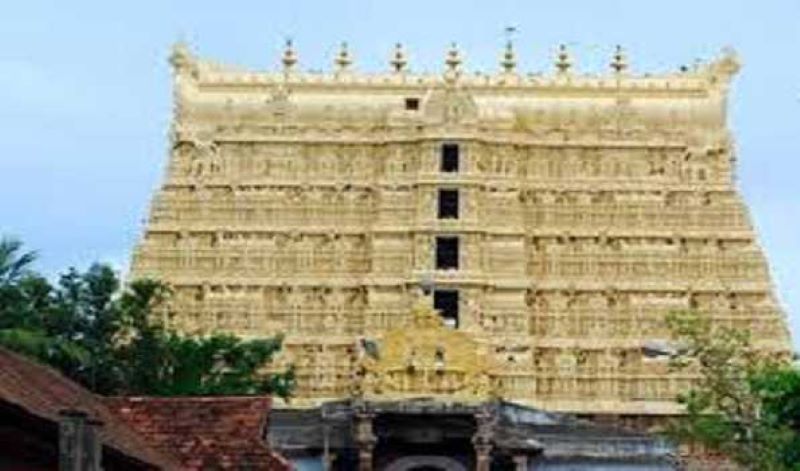
New Delhi/UNI: The Supreme Court on Monday allowed the appeal filed by the Travancore royal family and also accepted its Shebayatship (right to manage deity's property) over the famous Padmanabhaswamy temple in Thiruvananthapuram in Kerala.
A bench headed by Justice U U Lalit passed the verdict through video-conferencing after hearing the submissions in the case.
"We allow the appeals filed by the Travancore Royal family (Maharaja), and we also accept the Shebayatship of Travancore Royal family over the famous Padmanabhaswamy temple," the apex court said in its verdict.
The district judge, who was the executive officer appointed by the apex court, will continue to work and function as the administrative head of the temple, it said.
The top court's ruling effectively means that the "Ruler" under Instrument of Accession signed by the Princely state ruler with the Government of India at the time of independence is "ruler" by succession and will not end with the death of the ruler who signed the instrument of accession.
Support Our Journalism
We cannot do without you.. your contribution supports unbiased journalism
IBNS is not driven by any ism- not wokeism, not racism, not skewed secularism, not hyper right-wing or left liberal ideals, nor by any hardline religious beliefs or hyper nationalism. We want to serve you good old objective news, as they are. We do not judge or preach. We let people decide for themselves. We only try to present factual and well-sourced news.
Support objective journalism for a small contribution.