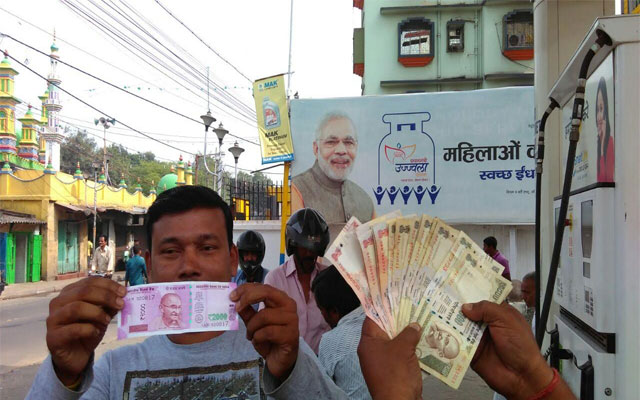
Ex-chief economic advisor calls demonetisation a monetary shock
New Delhi, Nov 29 (IBNS): Former chief economic advisor Arvind Subramanian has said demonetisation was a "massive, draconian, monetary shock" that aided the slide in economic growth, reports said.
“In one fell swoop, 86 per cent of the currency in circulation was withdrawn. The real GDP growth was affected by the demonetisation. Growth had been slowing even before, but after demonetisation, the slide accelerated," Subramanian says in his book Of Counsel: The Challenges of the Modi-Jaitley Economy.
“In the six quarters before demonetisation, growth averaged 8 per cent and in the seven quarters after, it averaged about 6.8 per cent (with a four quarter window, the relevant numbers are 8.1 per cent before and 6.2 per cent after),” Subramanian says.
Stating that he does not think anyone disputes that demonetisation slowed growth, the former chief economic advisor, who quit the post following the four-year tenure, says, "In the six quarters before demonetisation, growth averaged 8 per cent and in the seven quarters after, it averaged about 6.8 per cent (with a four quarter window, the relevant numbers are 8.1 per cent before and 6.2 per cent after)."
Subramainan says demonetisation was an unprecedented move that no country in recent history had made in normal times. It only occurs in extreme circumstances of war, hyperinflation, currency crises or political turmoil (Venezuela in 2016).
He said it the BJP’s victory in Uttar Pradesh Assembly elections shortly after demonetisation was widely seen as a verdict on the note ban.
Support Our Journalism
We cannot do without you.. your contribution supports unbiased journalism
IBNS is not driven by any ism- not wokeism, not racism, not skewed secularism, not hyper right-wing or left liberal ideals, nor by any hardline religious beliefs or hyper nationalism. We want to serve you good old objective news, as they are. We do not judge or preach. We let people decide for themselves. We only try to present factual and well-sourced news.
Support objective journalism for a small contribution.