Governments make strong commitments to biodiversity at UN conference in Mexico
The 13th Conference of the Parties to the Convention on Biological Diversity (CBD), also known as COP 13 saw governments from 167 countries agree upon a range of measures that are expected to accelerate the implementation of the Aichi Biodiversity Targets by 2020, as well as generate action for protected areas, ecosystem restoration, sustainable wildlife management, and a range of other themes.
“Governments demonstrated their commitment to achieving the Aichi Biodiversity Targets and showed that the biodiversity agenda is central and essential to the global sustainable development and climate change agendas,” announced CBD Executive Secretary Braulio Ferreira de Souza Dias as the conference nearly three week Conference wrapped up over the weekend in Cancun.
“With the integration of three meetings addressing the Convention and its two Protocols, the world community also realized the importance of the Cartagena Protocol on Biosafety and the Nagoya Protocol on Access to Genetic Resources and Benefit Sharing in effectively contributing to the Targets and sustainable development,” he added.
Together, the protocols help to ensure that modern biotechnology and other uses of genetic resources are practiced safely and that they take into account potential adverse effects on biological diversity. Countries who participated in the conference have committed to develop legislation, policies, and actions over the next four years that will support the Aichi Biodiversity Targets.
“We applaud and support the global community's commitment made during this COP to integrate biodiversity considerations into the activities of other critical sectors of our economies: agriculture, fisheries, forestry, and tourism; and value its natural capital for sustainable development, as expressed in the Cancun Declaration,” said Naoko Ishii, Chief Executive Officer of the Global Environment Facility (GEF).
She added that the GEF was “encouraged by the strong support of many donor and recipient countries to maintain consistency with our current biodiversity programming strategy with integrated approaches in response to the Strategic Plan for Biodiversity, while seeking out new innovation and creating financing opportunities.”
During the Conference, stakeholders deliberated about pollination management and its relationship to sustainable food production systems and agriculture, agreed to establish additional protected areas, reviewed opportunities to reverse biodiversity loss, and identified biologically significant marine areas to be protected.
Central to conservation and sustainable use of ecosystems are the contributions made by indigenous peoples and local communities, particularly with regards to their traditional knowledge. This year's Conference recognized this through Article 8(j) of the Convention, which obliges Parties to “respect, preserve, and maintain knowledge, innovations, and practices of indigenous and local communities” who support conservation and sustainable use of biodiversity.
COP 13 also included a decision to work with pledges from the Paris Agreement. Going forward, parties are to consider biodiversity as they undertake climate change mitigation, adaptation, and disaster risk reduction measures. The Convention also reiterated the importance of reducing anthropogenic emissions and increasing the removal of greenhouse gases.
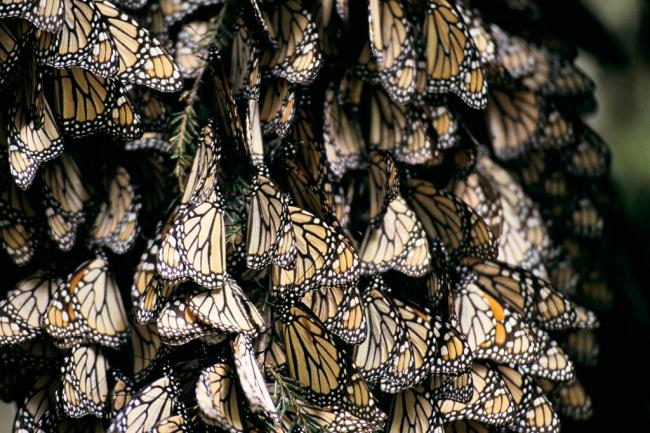
Photo: World Bank/Curt Carnemark
Source: www.justearthnews.com
Support Our Journalism
We cannot do without you.. your contribution supports unbiased journalism
IBNS is not driven by any ism- not wokeism, not racism, not skewed secularism, not hyper right-wing or left liberal ideals, nor by any hardline religious beliefs or hyper nationalism. We want to serve you good old objective news, as they are. We do not judge or preach. We let people decide for themselves. We only try to present factual and well-sourced news.
Support objective journalism for a small contribution.