


 Indigenisation
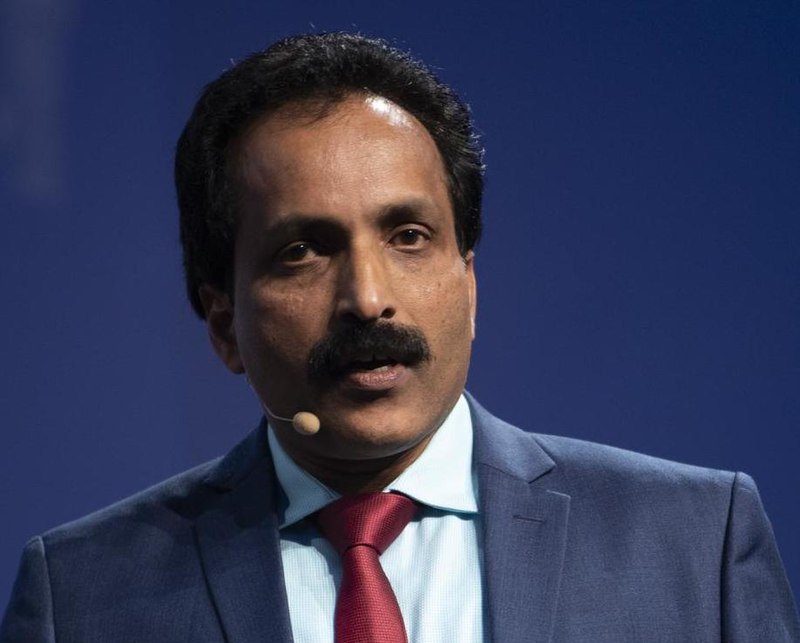
95% Indian rocket components procured domestically: ISRO Chairperson S Somanath
New Delhi: ISRO Chairperson S Somanath stated on Tuesday that nearly 95% of the components used in Indian rockets are procured domestically, media reports said.
During the 82nd Foundation Day of CSIR, Somanath emphasised that ISRO's capabilities cover all aspects of space endeavours, including in-house development of rockets, satellites, and space applications.
He further noted that the majority of materials, devices, and systems for ISRO's rockets are sourced within India, with only a small fraction, approximately 5%, being imported, mainly consisting of high-end electronic components.
He stated that the achievement stemmed from partnerships with a range of Indian laboratories, encompassing national, defense, and CSIR labs. These collaborations were centered on advancing material indigenization, technology proficiency, and research efforts.
Somanath also underscored notable strides in electronics indigenisation, highlighting the development and production of crucial elements like processors for rockets and primary computer chips, all produced in India.
He added that ISRO had also developed crucial components, including electromechanical actuators, DC power supply systems, battery systems, and solar cells within the country.
At the Foundation Day of Council of Scientific and Industrial Research (CSIR), Shanti Swarup Bhatnagar awards were also distributed to 12 young scientists.
Immunologist Dipyaman Ganguli of CSIR-Indian Institute of Chemical Biology, Kolkata; microbiologist Ashwani Kumar of CSIR-Institute of Microbial Technology, Chandigarh; biologist Maddika Subba Reddy of the Hyderabad-based Centre for DNA Fingerprinting Diagnostics; Akkattu T Biju of Indian Institute of Science Bengaluru; and Debabrata Maiti of the Indian Institute of Technology (IIT) Bombay are among the awardees.
Ganguli has been honoured in the realm of medical sciences, whereas Kumar and Reddy were recognised for their contributions to biological sciences.
During the event, Principal Scientific Advisor Ajay Sood stressed the need for a more inclusive and transparent selection process in order to truly nationalize the awards.
Starting from the following year, there would be Vigyan Yuva Shanti Swarup Bhatnagar awards. These awards would not remain at seven, but would increase to 25, he said.
The new awards will be given to young scientists, technologists, and innovators across approximately 12 fields, with one additional category for unrecognized fields.
Support Our Journalism
We cannot do without you.. your contribution supports unbiased journalism
IBNS is not driven by any ism- not wokeism, not racism, not skewed secularism, not hyper right-wing or left liberal ideals, nor by any hardline religious beliefs or hyper nationalism. We want to serve you good old objective news, as they are. We do not judge or preach. We let people decide for themselves. We only try to present factual and well-sourced news.
Support objective journalism for a small contribution.


