


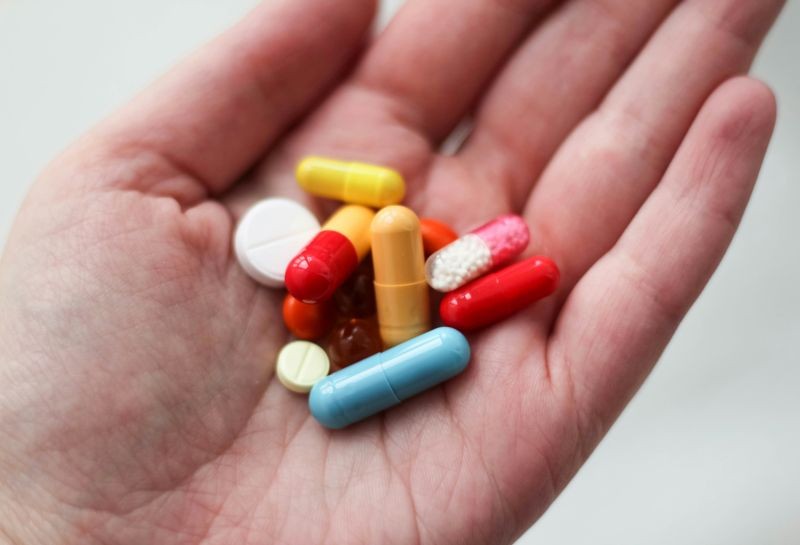
 Antibiotic Resistance
72% surge in drug-resistant infections: WHO sounds alarm over hospital superbugs
Common bacteria are becoming highly resistant to front-line and even “last-resort” antibiotics, the UN World Health Organization (WHO) said on Wednesday, warning that the situation today is worse than it was in 2019.
The agency issued the alert with the European Centre for Disease Prevention and Control (ECDC) after analysing progress on targets to reduce infections caused by resistant bacteria – often described as “superbugs” – that thrive in healthcare settings.
Instead of achieving the target of a five per cent fall in infections from the common hospital bacterium Klebsiella pneumoniae, they rose by an estimated 72 per cent between 2019 and 2025.
And infections with E. coli bacterium - which are also resistant to regular antibiotics known as cephalosporins - were set a target of a 10 per cent decrease. Instead, they rose by more than 16 per cent.
System bugs
WHO said that it found resistance to key antibiotics in at least half of the samples of Klebsiella pneumoniae and another common bug, Acinetobacter, in about one in two countries in Europe.
Dr Marc-Alain Widdowson, head of health security at WHO/Europe said that in many countries in the region, “the antibiotics doctors usually reach for first are failing against serious hospital infections”. When these treatments fail to work, doctors turn to stronger drugs normally kept for the most serious cases that are called carbapenems.
“When those stop working too, what’s left is mostly a small group of last-resort drugs that are often expensive and not available in every country,” he explained. “Each time one of these lines of defence falls, patients move closer to having no good options at all. That matters, because people whose first antibiotic doesn’t work against their infection are more likely to die in hospital.”
WHO noted that of 51 countries analysed, 16 still lack a standardized national approach and national coordination, hampering the effort to overcome antimicrobial resistance globally.
In the dark
And in hospitals where few blood samples are taken to identify the bacteria behind an infection, doctors often “have to choose an antibiotic without knowing which will work”, the agency said.
For patients, this raises the risk of starting treatment on a drug that will not work. And for health systems, “it means planning half-blind”, WHO stressed, since without reliable data, countries cannot tell where resistance is spreading or whether their efforts to stop it are working. “Better testing would help on both fronts, giving patients the right drug sooner and countries a clearer view of the threat.”
In more positive news, the estimated rate of bloodstream infections caused by resistant Acinetobacter has almost halved since the high levels seen in 2021 during the COVID-19 pandemic.
Support Our Journalism
We cannot do without you.. your contribution supports unbiased journalism
IBNS is not driven by any ism- not wokeism, not racism, not skewed secularism, not hyper right-wing or left liberal ideals, nor by any hardline religious beliefs or hyper nationalism. We want to serve you good old objective news, as they are. We do not judge or preach. We let people decide for themselves. We only try to present factual and well-sourced news.
Support objective journalism for a small contribution.