 Taliban
Taliban’s pursuit of ‘Islamic vision’ eroding freedoms in Afghanistan: UN Security Council
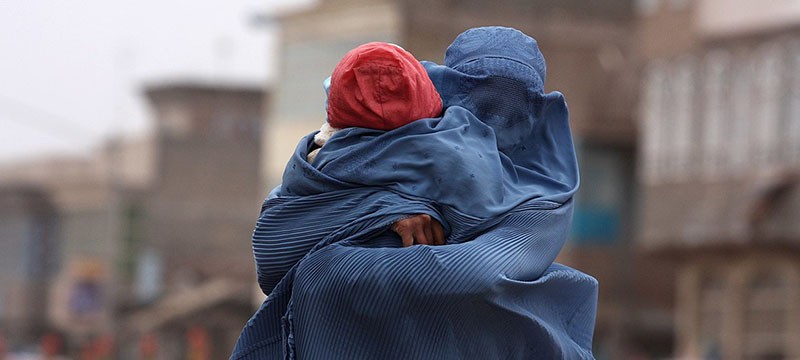
The Taliban’s continued imposition of strict interpretations of Islamic law and Afghan culture has resulted in unprecedented restrictions on women and girls, the UN envoy for the country warned on Thursday.
Briefing ambassadors in the Security Council, Roza Otunbayeva, the Special Representative of the Secretary-General for Afghanistan, painted a grim picture of escalating human rights abuses, diminishing freedoms and growing humanitarian challenges.
“It is now approaching nearly 1,200 days without girls having access to formal education beyond sixth grade, with women and girls facing a progressive erasure from almost all walks of life,” she said.
A recent decree barring women from attending medical institutes could further devastate the country’s healthcare system, with deadly implications not only for women and girls, but for men and boys as well.
“I have strongly urged the de facto authorities to reconsider,” she added.
Eroding freedoms
The Taliban de facto authority’s enforcement of the so called “Propagation of Virtue and Prevention of Vice” law amplified the erosion of basic freedoms, Otunbayeva said, noting that monitoring by “inspectors” extended into public spaces, NGO offices, mosques, bazars and even weddings.
“Stricter segregation of women in business activities have further constrained their livelihoods and mental health with serious consequences for their families, particularly children,” she said.
In addition, women unaccompanied by male guardians, or mahrams, face restrictions on movement and access to healthcare, while men are increasingly targeted for not adhering to certain grooming standards, such as shaving their beard or having “western-styled” haircuts.
Restrictions on media
Otunbayeva further highlighted the impact of the clampdown on media and work of journalists, with implications for the wider society.
“We documented a widening pattern of restrictions on the media, which undermine journalists’ and media workers’ ability to serve as a cornerstone of a well-informed, inclusive, vibrant and developing society,” she said, referring to a recent report by the UN Assistance Mission in Afghanistan (UNAMA).
“The space for public debate, including on key issues such as the rights of women and girls, continues to shrink given restrictions on political parties and civil society activities.”
Humanitarian crisis
Also briefing the Council, UN relief chief Tom Fletcher pointed out that Afghanistan remains in the grip of a staggering humanitarian crisis.
Nearly half the Afghans are living in poverty and this year, extreme weather events devastated livelihoods, displacing thousands, destroying livestock, crops and homes.
Furthermore, basic services across the country are under significant strain, with more than of the population lacking access to healthcare.
Hunger and food insecurity is also widespread, affecting one in three, while malnutrition rates have reached alarming levels and continue to rise.
“In all, half the population needs support, making Afghanistan the second largest humanitarian crisis in the world, after only Sudan,” Fletcher said, stressing that international assistance remains crucial.
Call to action
He urged the Security Council to act on three key points, starting with increased funding for humanitarian operations, and international support to reduce aid obstruction and restrictive measures, particularly those on women.
He also called for investment and support for Afghans beyond humanitarian assistance, in sectors such as agriculture, healthcare and other vital basic services.
“Afghans face immense challenges. But they have not lost hope,” he said.
“They have not stopped striving for their rights, freedoms and futures and nor should we. As they navigate this tough period, we must continue to support them, with international solidarity and genuine humanity.”
Support Our Journalism
We cannot do without you.. your contribution supports unbiased journalism
IBNS is not driven by any ism- not wokeism, not racism, not skewed secularism, not hyper right-wing or left liberal ideals, nor by any hardline religious beliefs or hyper nationalism. We want to serve you good old objective news, as they are. We do not judge or preach. We let people decide for themselves. We only try to present factual and well-sourced news.
Support objective journalism for a small contribution.