


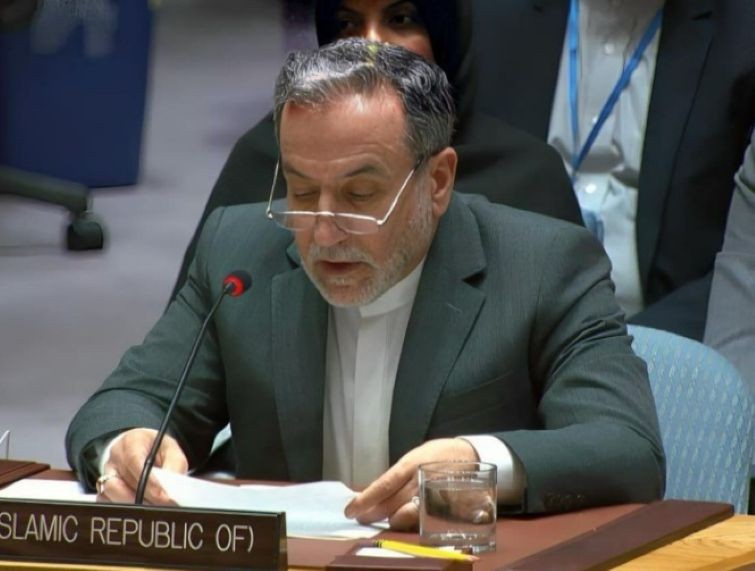
'No military solution against Iran': Tehran sends strong message during India visit
Iran's Foreign Minister Abbas Araghchi, currently visiting New Delhi for the BRICS foreign ministers’ conclave, said Iran has “every reason” not to trust the United States, while insisting that Washington can trust Tehran “without a doubt”.
Addressing a press conference after the BRICS meeting, Araghchi said the biggest obstacle to diplomacy between Iran and the United States is a deep lack of trust rooted in years of confrontation.
He claimed the US turned to negotiations only after failing to achieve its objectives through pressure and conflict against Iran.
He said Iran has agreed to maintain what he described as a “shaky” ceasefire to give diplomacy a chance, while warning that Tehran would never surrender to threats, sanctions or military pressure.
“Iranian people only answer to the language of respect,” Araghchi said.
India’s possible role
Araghchi said India could play a “greater role” in efforts to stabilise the Middle East and promote dialogue.
He added that Tehran would welcome “any constructive role” from New Delhi in easing regional tensions.
At the same BRICS gathering, Indian Foreign Minister S. Jaishankar warned that instability in the Middle East could seriously impact global energy supplies and trade routes.
China’s support for diplomacy
The Iranian foreign minister also praised China, calling Beijing a strategic partner with “good intentions”. He said Tehran would welcome Chinese support for diplomatic efforts aimed at resolving the regional conflict.
Strait of Hormuz warning
Speaking about the strategically crucial Strait of Hormuz, Araghchi acknowledged that the situation there has become “very complicated”.
However, he said Iran continues to allow maritime traffic through the route, except for vessels belonging to countries “at war” with Iran.
“Hormuz is open to all except those vessels of those countries who are in war with us,” he said.
He also said Iran is prepared to assist neutral shipping and expressed hope that conditions would return to normal after the conflict ends.
The Strait of Hormuz is one of the world’s most critical energy chokepoints, carrying a significant share of global oil and gas shipments.
Any prolonged disruption there could sharply affect international trade and fuel prices worldwide.
Support Our Journalism
We cannot do without you.. your contribution supports unbiased journalism
IBNS is not driven by any ism- not wokeism, not racism, not skewed secularism, not hyper right-wing or left liberal ideals, nor by any hardline religious beliefs or hyper nationalism. We want to serve you good old objective news, as they are. We do not judge or preach. We let people decide for themselves. We only try to present factual and well-sourced news.
Support objective journalism for a small contribution.


