 UN Funding Cuts
Millions will die from funding cuts, warns UN aid chief
Lifesaving operations everywhere continue to be shut down by sweeping funding cutbacks which will result in millions of people dying, the UN’s top aid official said on Wednesday.
“Cutting funding for those in greatest need is not something to boast about...the impact of aid cuts is that millions die,” warned Emergency Relief Coordinator Tom Fletcher.
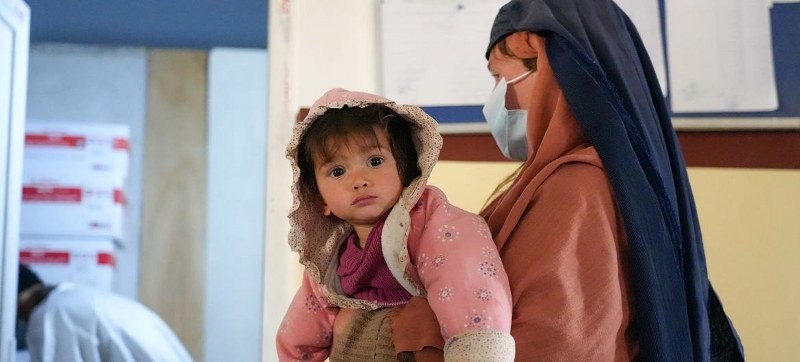
Speaking from an overcrowded hospital in Kandahar in southern Afghanistan where three or four patients have to share a bed, Fletcher warned that the financial crisis has already forced UN aid teams to close 400 primary health centres across the country so far.
His warning echoes dire announcements of drastic cost-cutting measures in response to chronic – and now acute – funding shortfalls, including an end to selected aid programmes by numerous UN relief agencies. These include the World Food Programme (WFP), the World Health Organization (WHO), the UN Children’s Fund (UNICEF), the UN aid coordination office (OCHA), the UN refugee agency (UNHCR) and UNAIDS.
Life-or-death call
Back in Afghanistan, the reality of funding cuts continues to play out in its hospitals “where you can see doctors making the most horrific decisions about which lives to save and which lives not to save”, Fletcher said at Mirwais Regional Hospital.
The lack of investment in aid relief has also affected female Afghan health workers whose salaries are being cut by up to two-thirds, Mr. Fletcher continued. The plight of women in the country is well documented and has been condemned by the international community, having deteriorated following numerous prohibitive edicts issued by the de facto authorities who overran Kabul in 2021.
As part of his official visit to Afghanistan, Fletcher met de facto provincial governor Mullah Shirin Akhund to discuss the need to address Afghanistan’s humanitarian crisis. It comes after more than four decades of conflict that have left almost half the population - some 22.9 million people – needing humanitarian assistance to survive.
Women's key role
In earlier talks during his official visit, Fletcher stressed that development was not possible without girls’ education and their full participation in the country’s economy.
Amid soaring malnutrition, a lack of basic services and dire economic forecasts, Afghanistan has few resources to cope with the arrival of a growing number of Afghan refugees sent back by neighbouring countries including Pakistan and Iran.
The scale of the pushbacks is enormous, with more than 250,000 Afghans returned in April alone, including 96,000 who were forcibly deported. On Tuesday, the UN refugee agency, UNHCR, voiced particular alarm over the fate of women and girls, who face increasing repression under Taliban rule.
While in Kandahar, Fletcher also visited a reception centre where the UN and humanitarian partners provide support, including health check-ups and cash. He said that the closure of hundreds of health facilities in the region had denied more than three million people access to primary care.
Support Our Journalism
We cannot do without you.. your contribution supports unbiased journalism
IBNS is not driven by any ism- not wokeism, not racism, not skewed secularism, not hyper right-wing or left liberal ideals, nor by any hardline religious beliefs or hyper nationalism. We want to serve you good old objective news, as they are. We do not judge or preach. We let people decide for themselves. We only try to present factual and well-sourced news.
Support objective journalism for a small contribution.