Mali: UN Peacekeeping chief ‘extremely concerned’ over insecurity, regrets peace deal delays
New York, Oct 20 (IBNS): After commending the “overall peaceful” climate in which the Malian elections were held in July, the United Nations peacekeeping chief said on Friday that he is “extremely concerned” over the increasing number of attacks by armed insurgents, against a backdrop of continued delays in implementing the 2015 peace agreement.
Briefing the Security Council, Jean-Pierre Lacroix, the Under-Secretary-General for Peacekeeping Operations, noted recent positive developments, including the successful presidential vote, which highlighted the “political maturity of the Malian people as well as the commitment of the political leaders to the democratic process”.
He regretted however the continued delays in getting interim authorities up and running, advancing the National Reconciliation Charter, implementing key institutional reforms – such as changes in the security sector or the constitution – and moving ahead with the demobilization, disarmament and reintegration process.
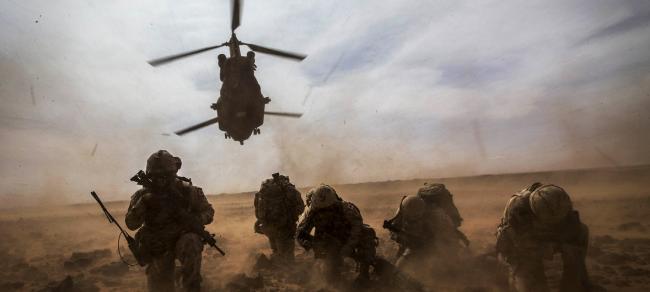
Conflict in northern Mali started in 2012, but the security situation remains volatile with an increased number of incidents in 2018, in particular in the central parts of the country. On Thursday again, five peacekeepers from Chad were injured during attacks, and MINUSMA has for many months now, been the most dangerous place in the world to serve as a ‘blue helmet’.
“I want to share with the Security Council that I am extremely concerned with the security situation,” said Mr. Lacroix, noting that July, August and September were the deadliest months since the peacekeeping operation, MINUSMA, was established in 2013. Close to 300 civilians died in targeted attacks.
In addition to limiting humanitarian access, violence has also worsened the living conditions of millions of women, children and men. According to the UN Office for the Coordination of Humanitarian Affairs (OCHA), about 5.2 million people – one in four Malians – are now estimated to be in dire need of assistance.
As the country prepares for parliamentary elections, Mr. Lacroix said this will be “a new test” to measure the “cohesion of political leaders and Malian society and an important step for the consolidation of democratic institutions.”
“I call on the Government and the opposition to engage in constructive political dialogue, based on inclusivity, keeping in mind the national interest,” he said, adding that he hopes these upcoming elections will provide an occasion to “build a more representative parliament by promoting candidacies of young people and women”.
He commended the composition of the new administration which, in line with Malian law, is composed of 30 per cent women.
MINUSMA/Marco Dormino
Support Our Journalism
We cannot do without you.. your contribution supports unbiased journalism
IBNS is not driven by any ism- not wokeism, not racism, not skewed secularism, not hyper right-wing or left liberal ideals, nor by any hardline religious beliefs or hyper nationalism. We want to serve you good old objective news, as they are. We do not judge or preach. We let people decide for themselves. We only try to present factual and well-sourced news.
Support objective journalism for a small contribution.