


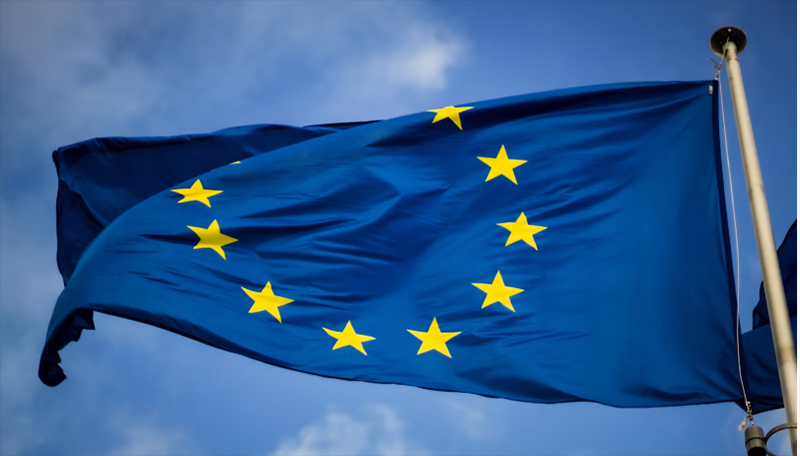
 European Parliament
European Parliament approves new regulation enabling prohibition on sale, import, export goods using forced labour, move targets China
In a move targeting China, the European Parliament has given its final approval to a new regulation enabling the EU to prohibit the sale, import, and export of goods made using forced labour.
Member state authorities and the European Commission will be able to investigate suspicious goods, supply chains, and manufacturers. If a product is deemed to have been made using forced labour, it will no longer be possible to sell it on the EU market (including online) and shipments will be intercepted at the EU’s borders.
Investigations
Decisions to investigate will be based on factual and verifiable information that can be received from, for example, international organisations, cooperating authorities and whistle-blowers.
Several risk factors and criteria will be taken into account, including the prevalence of state-imposed forced labour in certain economic sectors and geographic areas.
Consequences for companies using forced labour
Manufacturers of banned goods will have to withdraw their products from the EU single market and donate, recycle or destroy them. Non-compliant companies could be fined.
The goods may be allowed back on the EU single market once the company eliminates forced labour from its supply chains.
Rapporteur for the Internal Market committee, Maria-Manuel Leitão-Marques (S&D, PT) said: “Today, worldwide, 28 million people are trapped in the hands of human traffickers and states who force them to work for little or no pay. Europe cannot export its values while importing products made with forced labour. The fact that the EU finally has a law to ban these products is one of the biggest achievements of this mandate, and a victory for progressive forces.”
Rapporteur for the International Trade committee, Samira Rafaela (Renew, NL) said: “This is a historic day. We have adopted a ground-breaking piece of legislation to combat forced labour worldwide. This regulation fosters EU and international cooperation, shifts power from exploiters to consumers and employees, and offers possibilities for remedy for victims. It also transforms trade policies into a greener and fairer future.”
The regulation was adopted with 555 votes in favour, 6 votes against and 45 abstentions. The text now has to get a final formal approval from the EU Council.
It will then be published in the Official Journal. EU countries will have to start applying it in 3 years.
Support Our Journalism
We cannot do without you.. your contribution supports unbiased journalism
IBNS is not driven by any ism- not wokeism, not racism, not skewed secularism, not hyper right-wing or left liberal ideals, nor by any hardline religious beliefs or hyper nationalism. We want to serve you good old objective news, as they are. We do not judge or preach. We let people decide for themselves. We only try to present factual and well-sourced news.
Support objective journalism for a small contribution.


