China hopes RCEP trade deal to be signed, entered into force soon - Xi Jinping
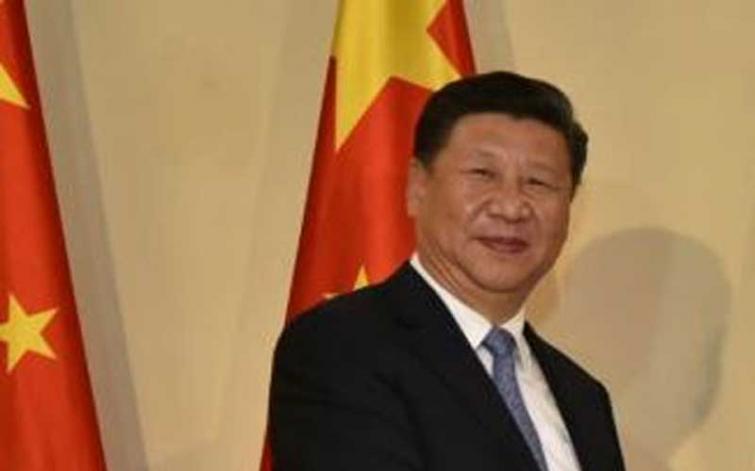
Shanghai/Sputnik/UNI: China hopes that the Regional Comprehensive Economic Partnership (RCEP) agreement, the biggest free trade agreement in Asia, will be signed and will come into force as soon as possible, Chinese President Xi Jinping said Tuesday at the opening ceremony of the second China International Import Expo (CIIE) in Shanghai.
RCEP implies the signing of a free trade agreement between 10 ASEAN member states – Brunei, Cambodia, Indonesia, Laos, Malaysia, Myanmar, Philippines, Singapore, Thailand and Vietnam – as well as Russia, Australia, India, China, New Zealand, South Korea, Japan and the United States.
"I was pleased to know that yesterday 15 RCEP member states completed the negotiations as a whole, and I hope that the agreement will be signed and will enter into force soon," Xi said.
Earlier, an official representative of the Thai government, where the ASEAN summit was held, told reporters that the agreement was likely to be signed in February 2020.
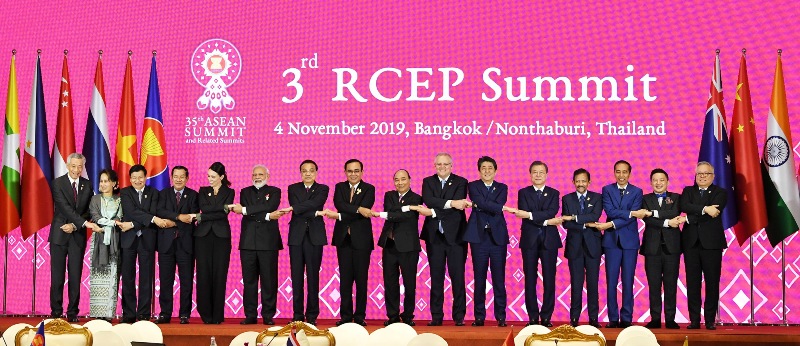
The RCEP sometimes is viewed as an alternative to the Trans-Pacific Partnership (TPP), which was signed by Australia, Brunei, Canada, Chile, Japan, Malaysia, Mexico, New Zealand, Peru, Singapore, Vietnam, and the United States in February 2016. The deal never took effect as Washington withdrew from it in January 2017.
Xi also stressed during the opening ceremony that China intended to further facilitate access to its market for foreign investment and improve the country's business climate to create favorable conditions for foreign companies to work in China.
He added that China would continue to actively increase imports of foreign goods and services, as well as reduce duties and various costs.
The second China International Import Expo runs from November 5-10. A total of 64 countries are presenting their national pavilions. Over 3,000 companies have confirmed their participation, while about 500,000 people are expected to attend the event.
Support Our Journalism
We cannot do without you.. your contribution supports unbiased journalism
IBNS is not driven by any ism- not wokeism, not racism, not skewed secularism, not hyper right-wing or left liberal ideals, nor by any hardline religious beliefs or hyper nationalism. We want to serve you good old objective news, as they are. We do not judge or preach. We let people decide for themselves. We only try to present factual and well-sourced news.
Support objective journalism for a small contribution.