 Taliban
Afghanistan: Taliban urged to halt public floggings and executions
New York: The resumption of public floggings and executions in Afghanistan must stop immediately, a group of independent UN human rights experts said on Friday in an appeal to the ruling Taliban leadership.
These punishments began after Taliban Supreme Leader Haibatullah Akhundzada last month ordered judges to uphold aspects of Islamic law.
“We call on the de facto authorities to immediately establish a moratorium on the death penalty, prohibit flogging and other physical punishments that constitute torture, or other cruel, inhuman or degrading treatment or punishment and guarantee a fair trial and due process in accordance with international standards,” the experts said in a statement.
Women overwhelmingly targeted
Since 18 November, more than 100 men and women have reportedly been publicly whipped in several Afghan provinces, including Takhar, Logar, Laghman, Parwan and Kabul.
The floggings took place in stadiums in the presence of Taliban officials and the public.
Each person received between 20 and 100 lashes for alleged crimes such as theft, “illegitimate” relationships, or violating social behaviour codes.
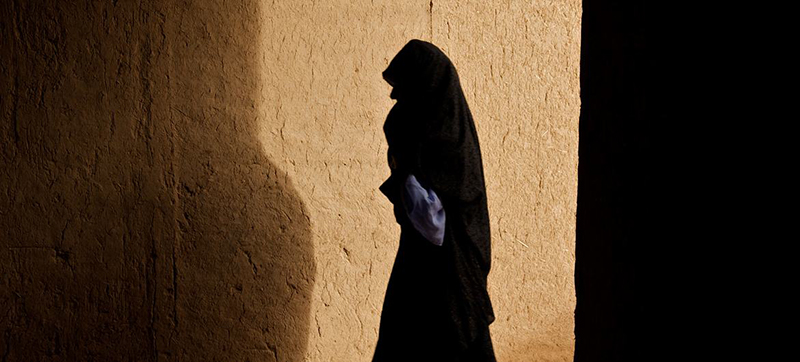
“While criminalisation of relationships outside of wedlock seem gender-neutral, in practice, punishment is overwhelmingly directed against women and girls,” said the experts.
Officials witness execution
Last week, Taliban authorities carried out what is believed to be the first public execution since they seized power in August 2021.
The UN human rights office, OHCHR, described it as a “deeply disturbing” development.
The man put to death had been charged with murder, and was shot by the father of his victim, according to media reports.
The execution took place on 7 December in a crowded stadium in Farah province, located in southwestern Afghanistan.
Senior Taliban officials, including the Deputy Prime Minister and Chief Justice, were in attendance.
‘Distasteful and undignified’
The UN experts said public floggings and executions began after the Supreme Leader on 13 November ordered the judiciary to implement Hudood (crimes against God) and Qisas (retribution in kind) punishments.
“Public floggings and public executions violate universal principles prohibiting torture and other cruel, inhuman or degrading treatment or punishment.,” they stated.
“The public spectacle of these punishments make them especially distasteful and undignified,” they added.
Fair trial doubts
The experts recalled that Afghanistan is a party to a UN covenant that prohibits torture, or other cruel, inhuman or degrading punishment
“We are additionally raising doubts about the fairness of the trials preceding these punishments, which appear not to satisfy basic fair trial guarantees,” their statement continued.
“International human rights law prohibits the implementation of such cruel sentences, especially the death penalty, following trials that apparently do not offer the required fair trial guarantees,” they said.
About UN experts
The 10 experts who issued the statement were appointed by the UN Human Rights Council, which is based in Geneva.
Among them are several Special Rapporteurs, whose mandates cover the situation of human rights in Afghanistan, or issues such as discrimination against women and girls.
Experts appointed by the Council are independent of any government or organization, work on a voluntary basis, and operate in their individual capacity.
They are not UN staff and are not paid for their work.
Support Our Journalism
We cannot do without you.. your contribution supports unbiased journalism
IBNS is not driven by any ism- not wokeism, not racism, not skewed secularism, not hyper right-wing or left liberal ideals, nor by any hardline religious beliefs or hyper nationalism. We want to serve you good old objective news, as they are. We do not judge or preach. We let people decide for themselves. We only try to present factual and well-sourced news.
Support objective journalism for a small contribution.