


Widows must not be left out of efforts to build back better after COVID-19
New York/IBNS: When countries begin building back from the COVID-19 pandemic they must also work towards dismantling laws that discriminate against women, UN Secretary-General António Guterres said in his message for International Widow’s Day on Tuesday.
“The death of a partner at any time can leave many women without rights to inheritance or property. In times of a pandemic, these losses are often multiplied for widows and accompanied by stigma and discrimination”, he explained.
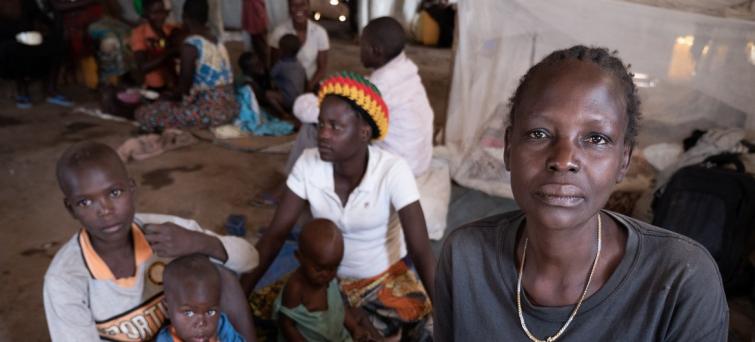
The death of a partner can leave many women without rights to inheritance or property.
As deaths due to COVID-19 continue to rise in many places, especially for men, International Widow’s Day provides an opportunity to focus on what the UN chief has described as “an all-too-often forgotten dimension of the crisis”.
He said the isolation and economic hardships brought on by the pandemic can further compromise widows’ ability to support themselves and their families, cutting them off from social connections at a time of profound grief.
Unseen, unsupported, unmeasured
Widows have already largely been invisible in society, according to the head of UN Women, the UN agency striving for full gender equality.
They are also often unsupported, while data about them is scant, meaning their numbers go unmeasured. Latest figures, which are from 2015, estimate there are nearly 260 million worldwide
“The actual number is likely to be much higher and to grow further as the coronavirus and its related effects on health continue to rage around the world”, said Phumzile Mlambo-Ngcuka, Executive Director at UN Women.
As the Secretary-General pointed out, more men than women are dying from COVID-19.
The agency said men account for nearly 60 per cent of coronavirus deaths in Mexico, nearly 70 per cent in Italy, and 77 per cent in Thailand, according to data from the World Health Organization (WHO).
As a result of these losses, tens of thousands more women could now be newly widowed.
Lessons from pandemics past
Experience from past pandemics, such as HIV/AIDS and Ebola, reveal how widows suffer much more than just the loss of a partner.
They have been denied inheritance rights, had property taken from them, and been shunned for being perceived as “carriers” of disease, amid other discrimination and stigma.
“Worldwide, women are much less likely to have access to old age pensions than men, so the death of a spouse can lead to destitution for older women”, said Ms. Mlambo-Ngcuka.
“In the context of lockdowns and economic closures, widows may not have access to bank accounts and pensions to pay for healthcare if they too become ill or to support themselves and their children. With lone-mother families and single older women already particularly vulnerable to poverty, this is an area that needs urgent attention.”
Structural changes overdue
UN Women stated that overall, the impacts of the pandemic have been worse for women and girls, across all spheres, from health, to the economy, to security and social protection.
The Secretary-General has called on governments to include support for widows’ immediate needs in any fiscal stimulus programmes, to address the crisis.
He is also pushing for reforms that benefit all women going forward.
“And as we work to build back better from this crisis, recovery efforts must be accompanied by long-term structural changes, including ending discriminatory laws that deny women equal rights to men and ensuring the availability of social protection, so that women do not start out at a disadvantage”, he said.
“We also need quality data, broken down by age and sex, to ensure that widows are counted and supported, now and in the future.”
Mlambo-Ngcuka has echoed the appeal.
“Widows must not be left out of our work to ‘build back better’ from COVID-19,” she said. “Let us ensure that our recovery prioritizes their unique needs and supports societies to be more inclusive, resilient and equal for all.”
Support Our Journalism
We cannot do without you.. your contribution supports unbiased journalism
IBNS is not driven by any ism- not wokeism, not racism, not skewed secularism, not hyper right-wing or left liberal ideals, nor by any hardline religious beliefs or hyper nationalism. We want to serve you good old objective news, as they are. We do not judge or preach. We let people decide for themselves. We only try to present factual and well-sourced news.
Support objective journalism for a small contribution.


