


 Hungary
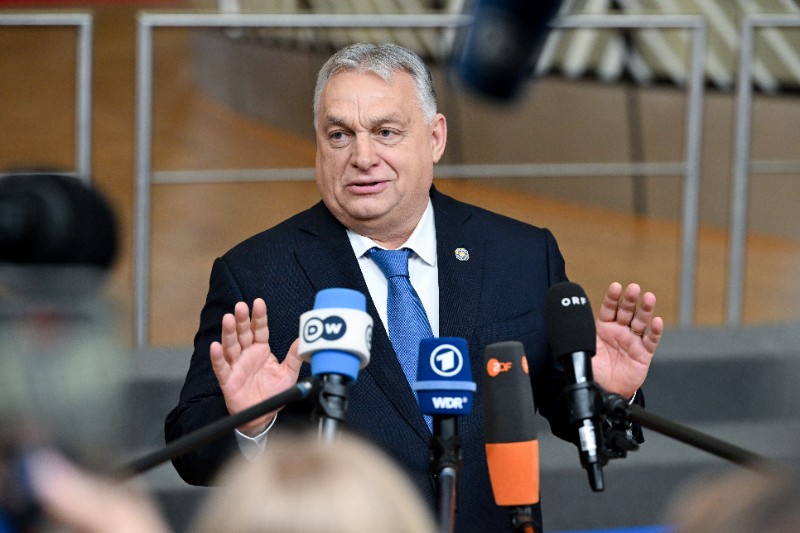
The end of 'Orbánism': Hungary votes out Viktor Orbán after 16 years in power
Viktor Orbán has conceded defeat in Hungary’s 2026 election, bringing an end to his 16-year tenure in power.
His party secured 55 seats in the 199-member parliament, marking a sharp decline from the dominant position it had held since 2010.
Orbán’s exit follows a long period in which he remained one of Europe’s most polarising political figures, shaping Hungary’s domestic policies and its engagement with the European Union.
From reformist beginnings to consolidated power
Orbán first rose to prominence as a liberal reformer in post-communist Hungary, becoming Prime Minister in 1998 at the age of 35.
His early tenure focused on economic reforms, including tax changes, foreign investment and administrative modernisation.
He returned to power in 2010 with a decisive mandate, as his party Fidesz secured a supermajority.
Over time, the party’s ideological stance shifted towards a nationalist and conservative framework, emphasising identity politics and state authority.
‘Illiberal democracy’
During his rule, Orbán introduced the idea of an “illiberal democracy”, a model that prioritised national identity and centralised governance over liberal democratic norms.
The European Union has described Hungary’s system during this period as a hybrid form of governance.
Observers and political analysts have cited institutional changes, including constitutional reforms and alterations to the electoral framework, as key features of this transformation.
Policies and political positions
Orbán’s tenure was marked by strong positions on immigration, national identity and social policy.
His government adopted restrictive migration policies and opposed European Union proposals related to refugee distribution.
He also introduced measures affecting media, judiciary and civil society institutions, which drew scrutiny from international organisations and political observers.
On social issues, legislative changes related to LGBTQ+ representation and family policies became a significant aspect of his governance framework.
Foreign policy divergence
Hungary’s foreign policy under Orbán often diverged from broader European positions.
He maintained ties with countries such as Russia and China while criticising certain EU policies.
His government also expressed differing views on issues such as migration and regional security, contributing to tensions within the European bloc.
Electoral shift and public response
The 2026 election marked a turning point, with opposition forces securing victory against Orbán’s long-standing administration.
Public celebrations were reported in parts of Hungary following the announcement of the results.
The outcome reflects a significant political shift after more than a decade of centralised governance under Orbán’s leadership.
Legacy of a contested leadership
Orbán’s years in office were characterised by extensive political and institutional changes.
Analysts have noted that his governance model influenced broader debates on nationalism, sovereignty and democratic structures within Europe.
His departure signals a new phase in Hungary’s political trajectory, following a prolonged period defined by his leadership and policies.
Support Our Journalism
We cannot do without you.. your contribution supports unbiased journalism
IBNS is not driven by any ism- not wokeism, not racism, not skewed secularism, not hyper right-wing or left liberal ideals, nor by any hardline religious beliefs or hyper nationalism. We want to serve you good old objective news, as they are. We do not judge or preach. We let people decide for themselves. We only try to present factual and well-sourced news.
Support objective journalism for a small contribution.


