Architect Kashef Chowdhury wants budding professionals to draw inspiration from Nature
Kolkata, July 5 (IBNS): Late Indian architect and urban planner Charles Correa did not merely concentrate on designing a building but tried to connect people with their surroundings, said Harshavardhan Neotia, Chairman, Ambuja Neotia Group.
Neotia, who had a close working relation with the famous architect, especially when Correa was designing the City Centre in Kolkata, shared his views while delivering the inaugural address at the third Annual Charles Correa Memorial Lecture recently held in the city.
Ambuja Neotia Group has been holding this annual lecture not only to honour the architect but to make everyone aware about his focus on eco-friendly designs.
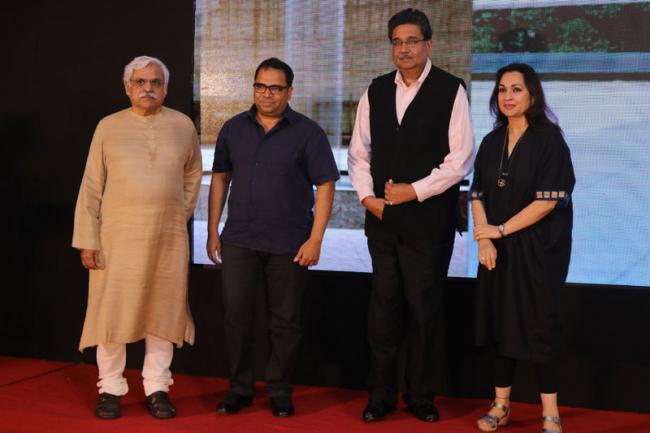
The memorial lecture was delivered by Kashef Chowdhury, a well known architect from Bangladesh, who spoke about his key projects and his thoughts behind them.
Chowdhury, co-founded Urbana with Uttam Kumar Saha in 1995 and has been the Principal Architect of the firm since 2004.
Chowdhury said that he aims to create a cohesion between material, climate and context in his designs.
He urged aspiring architects to take lessons from Nature.
His major works also revolve around this idea of building things around nature, making use of the many gifts that nature has bestowed upon us and using it to create architectural designs.
His most recent work involved creating 'raised settlements' on the bank of the river Jamuna (Bangladesh) - an area known for frequent flooding - with the help of a non-government organisation called Friendship.
He also spoke in detail about a family project, the Pavillion Apartment.
The building had a open courtyard, which was central to the design; one of the key featuers of the courtyard was the rainwater drainage system, which runs all through the courtyard.
The emphasis was on rain water and natural light, he said.
He showed in detail the planning that went into making of the historically significant buildings, such as the Museum of Independence and Independence Monument of Bangladesh, both designed by him.
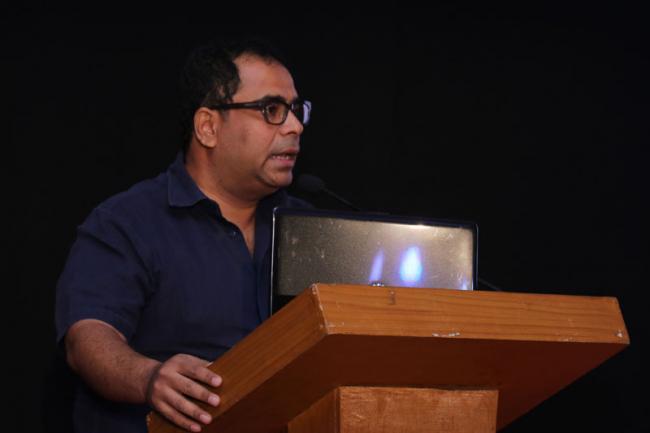 All his structures involved the use of natural rather than artificial lights.
"We can think about a deeper connection to a place in terms of its history and connectivity through time and space,” said Chowdhury.
Chief guest Uday Joshi also shared his experience of working with Charles Correa and the impact Correa had on his career.
Kolkata-based architect Ashish Acharjee hosted the programme.
An exhibition titled “Living Ideals: Designs for Housing by Charles Correa” is being held at the Indian Institute of Architects (IIA), West Bengal Chapter, until July 25, 2018.
(Reporting by Tirna Chatterjee)
Support Our Journalism
We cannot do without you.. your contribution supports unbiased journalism
IBNS is not driven by any ism- not wokeism, not racism, not skewed secularism, not hyper right-wing or left liberal ideals, nor by any hardline religious beliefs or hyper nationalism. We want to serve you good old objective news, as they are. We do not judge or preach. We let people decide for themselves. We only try to present factual and well-sourced news.
Support objective journalism for a small contribution.