


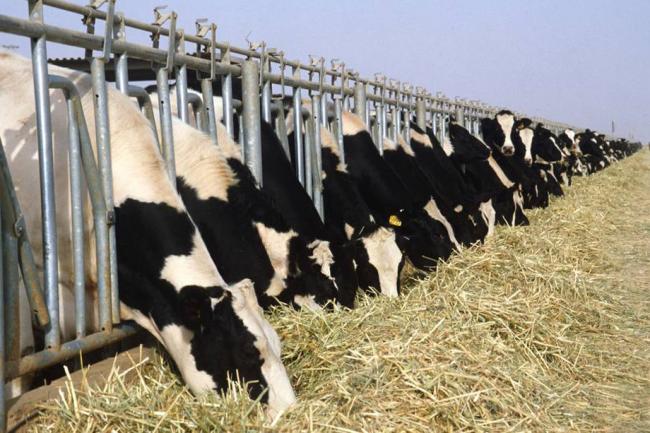
UN predicts world food import bill to fall to five-year low
“The world food import bill is forecast to reach a five-year low in 2015,” says Food Outlook, a biannual publication by the UN Food and Agriculture Organization (FAO) focusing on developments affecting global food and feed markets.
It said, “Currency movements and macroeconomic developments may have important implications for markets again in 2015-16.”
The Food Price Index, a trade-weighted database that tracks and aggregates on a monthly basis the prices of cereals, meat, dairy products, vegetable oils and sugar on international markets, reflected that decline, with a 1.2 per cent overall drop in April from March.
The index reached 171 points, its lowest level since June 2010 and 19.2 per cent less than a year ago.
Food Outlook says international food prices are likely to stay under downward pressure due to large supplies, low freight rates and a strong US dollar, with import volumes of the five commodities little changed or even rising.
The reduction in import bills is likely to benefit low income countries.
Despite a slight reduction in global harvests expected this year – with a 1.5 per cent decline in cereal production from last year’s record output – “exceptionally high” levels of existing stocks will offset the pressure, according to the FAO’s report.
The reduction in cereal production remains nearly five per cent above the average of the past five years.
Dairy prices fell the most, buoying imports in Africa, while the abolition of the European Union’s (EU) milk quota system was also one of the main drivers of the 6.7 percent monthly drop. Sugar, cereals and vegetable oil prices also declined. By contrast, meat values rose in April, which was their first increase since August 2014.
Food Outlook also includes a special feature focusing on price volatility, highlighting a need to investigate whether volatility has returned to normal or not.
Photo: FAO/Franco Mattioli
Support Our Journalism
We cannot do without you.. your contribution supports unbiased journalism
IBNS is not driven by any ism- not wokeism, not racism, not skewed secularism, not hyper right-wing or left liberal ideals, nor by any hardline religious beliefs or hyper nationalism. We want to serve you good old objective news, as they are. We do not judge or preach. We let people decide for themselves. We only try to present factual and well-sourced news.
Support objective journalism for a small contribution.


