


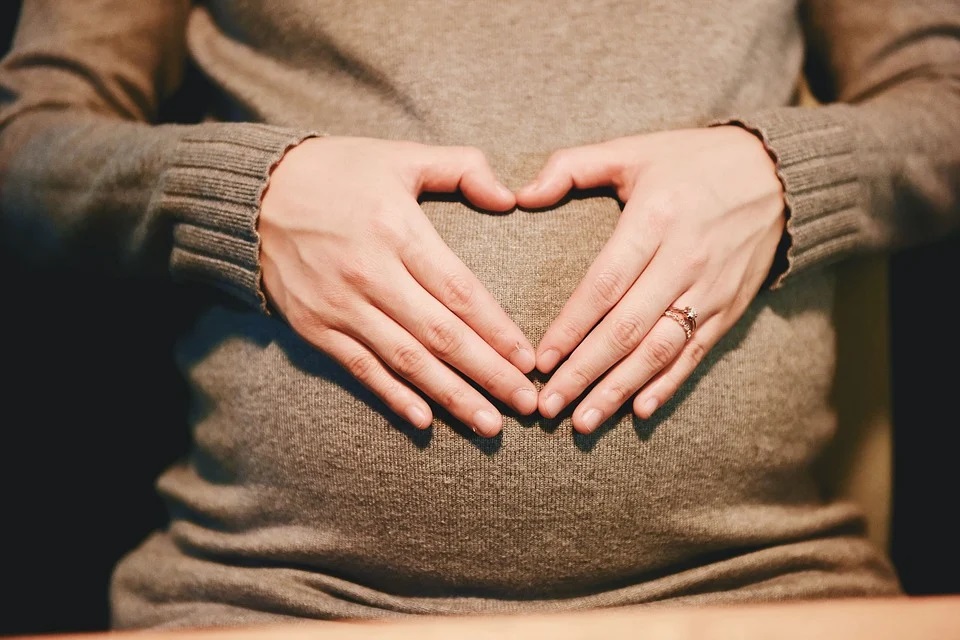
 Pregnant Woman
Pregnant women most at risk in Nepal’s landslide-hit areas
Recent floods and subsequent landslide incidents in Nepal’s northern areas have displaced thousands and destroyed many homes. Several dozens of villages have been cut off as floods swept away many motorable roads and bridges in the country. However, pregnant women are most at risk; many of them are underage and needed evacuation to Kathmandu.
Several villages in Sindhupalchok, a northern district, are isolated. A report in The Kathmandu Post stated that several underage pregnant women are in need of urgent evacuation to Kathmandu for their delivery.
The current maternal mortality rate is 239 per 100,000 live births in Nepal, and last year it had missed the target of reducing the maternal mortality rate to 125 per thousand. For some years now, the government has been promoting institutional delivery to reduce mortality. However, currently, with many roads damaged, ambulances are stuck in district centers and can’t reach remote villages.
Early this year, the government also initiated a helicopter service under the President Women Uplift Plan for some remote villages. However, the process is too lengthy to get a timely response.
“We have to inform the chief of the district health office first, who in turn has to inform the chief district officer. The latter then will have to write a letter to officials at the Ministry of Women, Children and Social Welfare,” a paramedic, deployed in a remote village in Sindhupalchok district, was quoted as saying by The Kathmandu Post. “Officials at the ministry then have to forward the letter to the Nepal Army and request for an airlift service.”
Kiran Regmi, a former health secretary in Nepal, acknowledged the problem and said the process should be made easier to save the lives of mothers and babies.
Support Our Journalism
We cannot do without you.. your contribution supports unbiased journalism
IBNS is not driven by any ism- not wokeism, not racism, not skewed secularism, not hyper right-wing or left liberal ideals, nor by any hardline religious beliefs or hyper nationalism. We want to serve you good old objective news, as they are. We do not judge or preach. We let people decide for themselves. We only try to present factual and well-sourced news.
Support objective journalism for a small contribution.


