


 Pakistani Economy
Pakistanis are struggling: Two-thirds of income vanishes on essentials as remittances keep them afloat, shows study
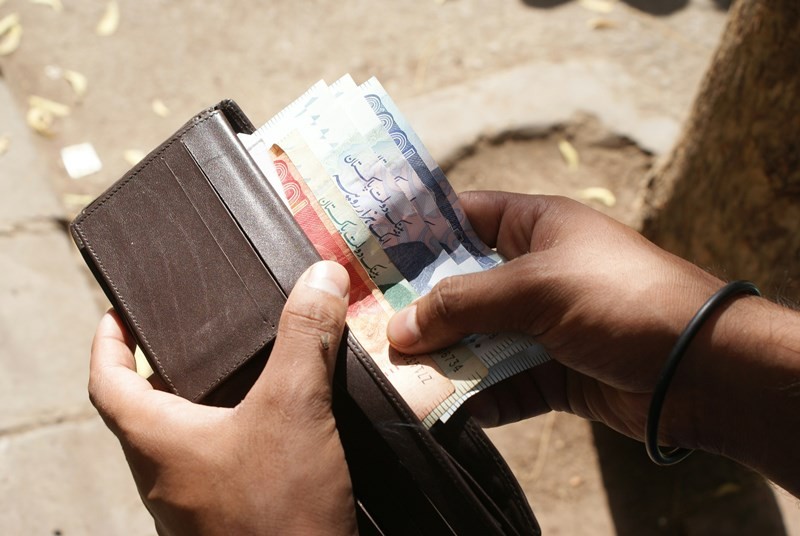
A Pakistani government survey has revealed that countrymen are spending two out of every three rupees on just two basic needs — food and electricity.
The expenditures increased at a faster pace than the incomes due to current economic pressure and rising cost of living, according to the Household Integrated Economic Survey 2024-25, released by the Minister for Planning Ahsan Iqbal on Thursday, reported by The Express Tribune.
According to reports, the survey was conducted after a gap of six years under pressure from the International Monetary Fund (IMF).
The report showed that inflation has eaten up people's hard-earned money, leaving only 2.5% in hand to spend on education.
The share of foreign remittances in household income has risen from below 5% to nearly 8%, according to the survey, the newspaper reported.
The contribution of gifts and assistance also more than doubled to 4.6%, "indicating greater reliance on informal support networks", stated the official report.
Support Our Journalism
We cannot do without you.. your contribution supports unbiased journalism
IBNS is not driven by any ism- not wokeism, not racism, not skewed secularism, not hyper right-wing or left liberal ideals, nor by any hardline religious beliefs or hyper nationalism. We want to serve you good old objective news, as they are. We do not judge or preach. We let people decide for themselves. We only try to present factual and well-sourced news.
Support objective journalism for a small contribution.


