


Despite calm in Kunduz, conditions for humanitarian assistance not yet restored: UN
This is due to continuing concerns related to contested control in some areas of the city, the existence of improvised explosive devices (IEDs), and the potential for ambushes on some roads leading the city, according to a situation update released by OCHA.
Some civilians and relief partners have reportedly entered Kunduz city by road on 11 and 12 October, and an initial shipment of medical supplies has been moved by air.
Water and electricity have been restored to some parts of the city, but other basic services remain unavailable due to damage from the conflict, according to OCHA, which also indicated that an estimated 14,000 families are currently displaced in northeast Afghanistan.
Critical needs for these internally displaced persons (IDPs) include food and shelter, as well as health and water, sanitation and hygiene needs.
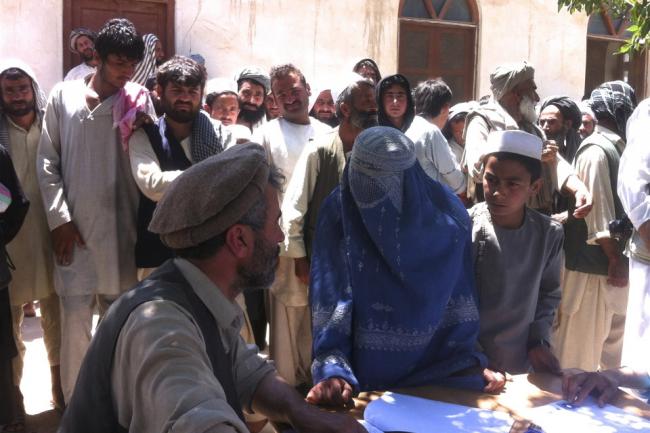
Photo: Bethany Matta/IRIN
Support Our Journalism
We cannot do without you.. your contribution supports unbiased journalism
IBNS is not driven by any ism- not wokeism, not racism, not skewed secularism, not hyper right-wing or left liberal ideals, nor by any hardline religious beliefs or hyper nationalism. We want to serve you good old objective news, as they are. We do not judge or preach. We let people decide for themselves. We only try to present factual and well-sourced news.
Support objective journalism for a small contribution.


