


 Pakistan
AQI in Pakistan's Multan crosses 2,135; schools in Punjab province remain shut
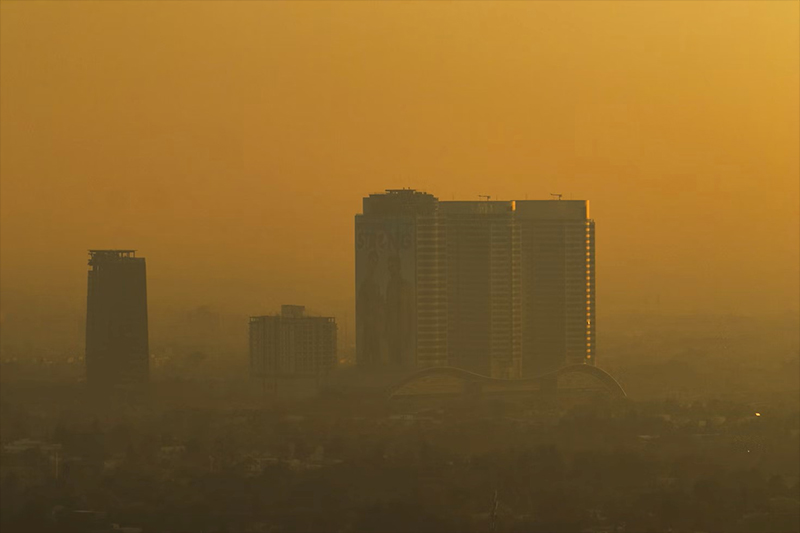
Islamabad/IBNS: Pakistan’s most populous Punjab province is facing unprecedented pollution levels, with several cities experiencing dangerously high air quality readings.
On Friday, Multan reported an Air Quality Index (AQI) of 2,135 between 8 am and 9 am, ranking it among the most polluted cities globally, according to data from IQAir, a Swiss-based air quality monitor.
PM2.5 levels in Multan soared to 947 micrograms per cubic meter, a staggering 189.4 times above the safe limit set by the World Health Organisation (WHO).
Even by 10 pm, the AQI in Multan remained critically high at 980, far above the “hazardous” threshold of 300.
Lahore also saw alarming pollution levels, with PM2.5 concentrations reaching more than 20 times the WHO-recommended maximum.
In response, authorities have implemented emergency measures, ordering the closure of public spaces such as parks, playgrounds, and historical sites until Nov. 17.
Schools across Punjab’s major cities were initially closed on Tuesday, with the closure order extended to additional regions the following day.
The severe smog in Punjab is largely caused by emissions from low-quality diesel, seasonal agricultural burning, and winter weather conditions that trap pollutants.
In Lahore, restrictions have been placed on high-emission tuk-tuks and barbecue setups without air filters.
Nearby crop burning, particularly around cities like Lahore and Multan, has worsened air quality, heightening the health risks associated with toxic air.
Long-term exposure to high levels of PM2.5 particles, according to the WHO, can lead to severe health issues such as strokes, heart disease, lung cancer, and other respiratory illnesses.
UNICEF reports that nearly 600 million children across South Asia are exposed to these dangerous pollution levels, with pollution contributing to half of all childhood pneumonia deaths.
As low wind speeds are expected to exacerbate the pollution, the government has extended restrictions in heavily affected cities, including Lahore, Gujranwala, Faisalabad, and Multan.
Support Our Journalism
We cannot do without you.. your contribution supports unbiased journalism
IBNS is not driven by any ism- not wokeism, not racism, not skewed secularism, not hyper right-wing or left liberal ideals, nor by any hardline religious beliefs or hyper nationalism. We want to serve you good old objective news, as they are. We do not judge or preach. We let people decide for themselves. We only try to present factual and well-sourced news.
Support objective journalism for a small contribution.


