


Antibiotic resistance making gonorrhoea ‘sometimes impossible’ to treat – UN health agency
“The bacteria that cause gonorrhoea are particularly smart. Every time we use a new class of antibiotics to treat the infection, the bacteria evolve to resist them,” said Dr. Teodora Wi, Medical Officer, Human Reproduction, at the UN World Health Organization (WHO).
Data from 77 countries show that “antibiotic resistance is making gonorrhoea – a common sexually-transmitted infection – much harder, and sometimes impossible, to treat,” according to the agency.
WHO noted that the current “last-resort treatment” in the form of extended-spectrum cephalosporins (ECS) has now shown resistance in more than 50 countries. As a result, the agency issued updated global treatment recommendations in 2016, advising doctors to give 2 antibiotics: ceftriaxone and azithromycin.
The development of a new antibiotic for gonorrhoea “is not attractive for commercial pharmaceutical companies,” WHO said, noting that only three candidate drugs are currently in the research-and-development pipeline.
The treatments are taken only for short periods of time, unlike medicines for chronic diseases, and they become less effective as resistance develops, meaning that the supply of new drugs constantly needs to be replenished, according to the agency.
Gonorrhoea can be prevented through safer sexual behaviour, WHO stressed. It pointed to decreasing condom use, increased urbanization and travel, poor infection detection rates, and inadequate or failed treatment for the estimated 78 million people infected each year.
“These cases may just be the tip of the iceberg, since systems to diagnose and report untreatable infections are lacking in lower-income countries where gonorrhoea is actually more common,” said Dr. Wi.
Women are particularly at risk, potentially leading to pelvic inflammatory disease, ectopic pregnancy and infertility, as well as increased risk of HIV.
Earlier this year, WHO announced that it is classifying antibiotics into three categories – Access, Watch and Reserve – to preserve the effectiveness of “last resort” antibiotics.
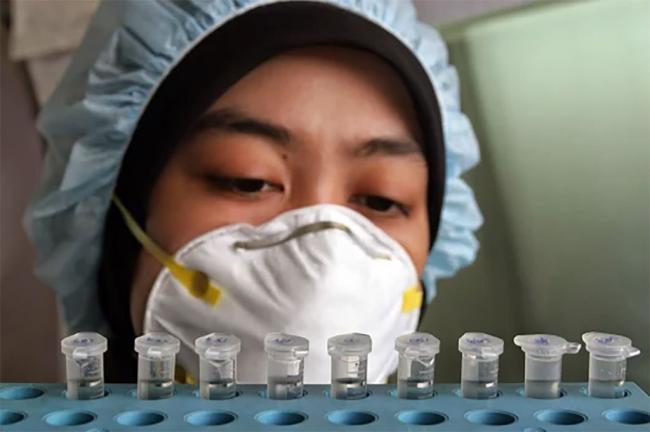
Photo: WHO/G. Hampton
Source: www.justearthnews.com
Support Our Journalism
We cannot do without you.. your contribution supports unbiased journalism
IBNS is not driven by any ism- not wokeism, not racism, not skewed secularism, not hyper right-wing or left liberal ideals, nor by any hardline religious beliefs or hyper nationalism. We want to serve you good old objective news, as they are. We do not judge or preach. We let people decide for themselves. We only try to present factual and well-sourced news.
Support objective journalism for a small contribution.


