Elite disabled athletes are active in seeking positive change within their sport: Study
The study, the first to investigate the relationship, identified the barriers that prevent athletes from becoming more ‘politically active’ and highlighted a significant shift in mentality before and after retirement from high-level competition.
The findings, published in the journal Psychology of Sport and Exercise, are the result of extensive interviews with 36 elite disabled athletes who have competed across a range of sports at World Championships or Paralympic events.
All of the interviewees reported an ‘athletic activist’ identity; defined as being vocal about inequality, oppression or difficulties facing disabled athletes in a sporting context.
They sought to influence policy or organisational change within sport to address issues that impacted on the success of individuals; such as access to equipment or facilities, financial support or coaching provision.
One participant explained the desire to be viewed equally: “Inequalities are wrong and really stressful, but I don’t take it lying down. I won’t tolerate how some people in sport treat us.”
Another explained that this stemmed from their identity as an athlete, rather than a disabled athlete: “I train hard, I lift weights, I cover hundreds of miles, go out in all weathers… I am an athlete, and want to be seen as one, not disabled, but an athlete outright, a winner.”
However, only seven of the 36 interviewees translated their activism beyond the sporting sphere and actively challenged discrimination towards disabled people in other quarters. They reported doing this through social media, blogs, political engagement, and everyday conversations.
As one participant said: “Disability isn’t just about me, my body, or Paralympic sport, or winning a medal. It’s political because, when you’re disabled, society often treats you like a second-class citizen… it needs challenging and if I can use my status as an athlete to do this, to bring disability rights to people’s attention, then that’s as good as a gold medal… Unfortunately I don’t see too many of us about in sport like this.”
Professor Brett Smith, from the University of Birmingham, said: “This group who identified as being politically active referenced the number of oppressions and injustices facing disabled people, from cruel jokes and physical violence, to welfare cuts and a lack of access to amenities. A key question emerged, what are the barriers preventing more elite disabled athletes from taking the leap from sporting activism to political activism?”
The data suggested that most athletes in the study felt that disabled people were now largely treated fairly, equally and respectfully in society.
There was a further belief that political activism would be incompatible with an athletic identity. Some were worried that organisers and sponsors would be offended by an ‘outspoken’ athlete and there would be a risk to funding, whereas others believed that the emotional engagement that came with a more politically active mentality would remove focus from sport, and have a negative impact on training and performance.
Eight of the study participants retired in the duration of the study. Seven of those eight became politically active after retirement. They reflected that sport largely buffered them from the everyday realities that disabled people in society face. Once the buffer was removed, they had begun to experience and witness profound discrimination.
One participant noted: “Sport is like being in a bubble… Yes I had difficulties as an athlete, but these were small in comparison to what I now face.”
Those in retirement were keen to urge current athletes to be more politically active while being in more of a spotlight, and stressed that participation could be achieved easily thanks to the immediacy of social media and other channels of communication.
Professor Smith said: “Political activism will, of course, not be for everyone and nor should it be an expectation. But with great potential for inspiring and informing change within sport and broader society, it is important that we seek to remove barriers that prevent people from taking on an activist identity during a sporting career and support those who do by sharing their stories.”
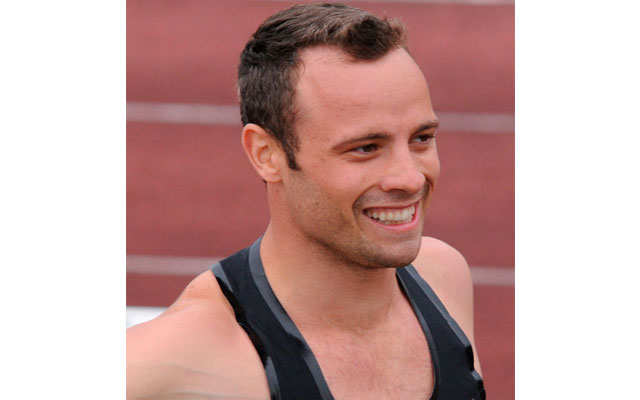
Image:Wikimedia Commons
Support Our Journalism
We cannot do without you.. your contribution supports unbiased journalism
IBNS is not driven by any ism- not wokeism, not racism, not skewed secularism, not hyper right-wing or left liberal ideals, nor by any hardline religious beliefs or hyper nationalism. We want to serve you good old objective news, as they are. We do not judge or preach. We let people decide for themselves. We only try to present factual and well-sourced news.
Support objective journalism for a small contribution.