Verdict likely on killing of British nationals in post Godhra riot
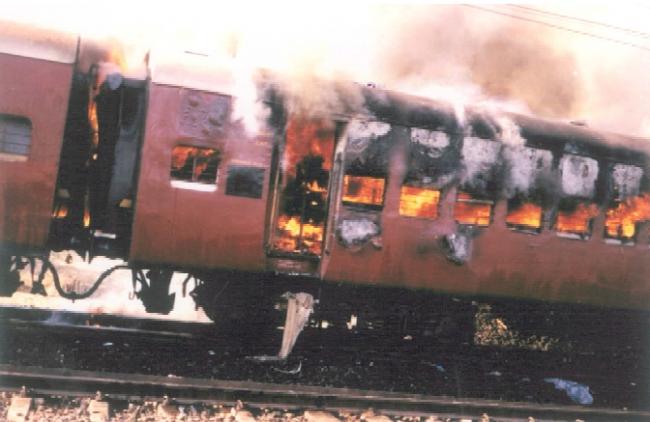
The incident took place on February 28, 2002, a day after the Godhra train burning incident in which UK nationals Saeed Dawood, Mohammad Aswat and Shakeel, besides their driver Yusuf Piraghar were allegedly burnt alive by a mob near Pranjit in North Gujarat.
The first two victims were relatives of one Imran Dawood and were on way to a visit to their native village after a trip to Jaipur.
Imran, who is also based in the UK, however, managed to save his life.
Police later arrested six persons in connection with the incident and a special investigation team started probing it in 2008.
Imran recorded his statement to police via video conferencing in 2010. However, some witnesses in the case have been declared hostile during the trial process.
The case is one of the nine post-Godhra carnage-related cases being monitored by the Supreme Court.
Support Our Journalism
We cannot do without you.. your contribution supports unbiased journalism
IBNS is not driven by any ism- not wokeism, not racism, not skewed secularism, not hyper right-wing or left liberal ideals, nor by any hardline religious beliefs or hyper nationalism. We want to serve you good old objective news, as they are. We do not judge or preach. We let people decide for themselves. We only try to present factual and well-sourced news.
Support objective journalism for a small contribution.