 India
India
The new India is an emerging powerhouse strategically keeping its options open, says Scottish–American historian
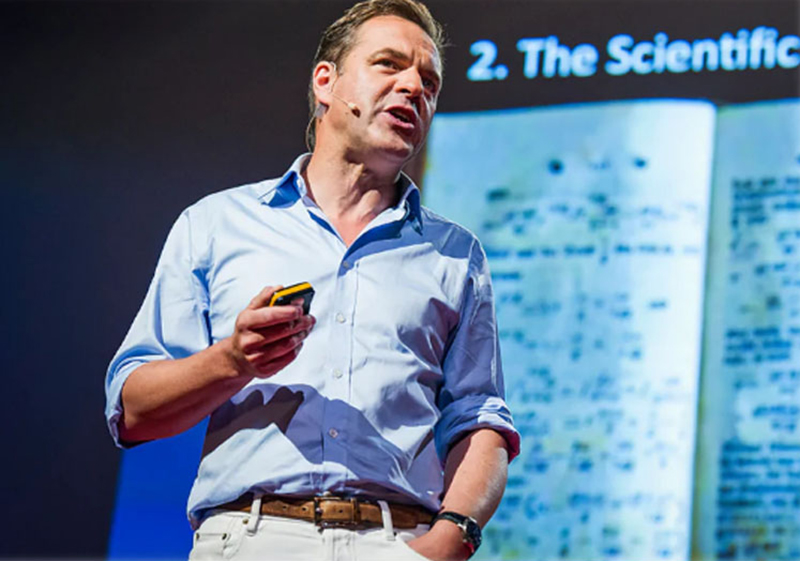
In a recent interview with India Today TV, renowned Scottish–American historian Niall Ferguson discussed the evolving dynamics of India’s foreign relations and its economic trajectory. According to Ferguson, Prime Minister Narendra Modi understands that India’s strength lies in keeping its options open rather than making an unconditional commitment to any particular foreign policy, especially that of the United States.
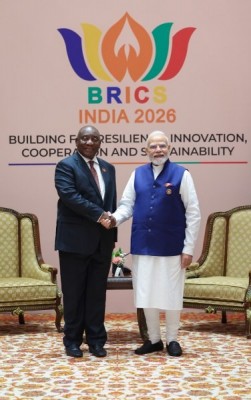
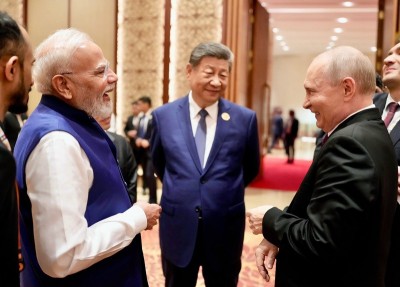
Despite growing proximity to the United States, Ferguson notes that India’s relationship with the U.S. is “highly contingent on the scenario.” Unlike traditional alliances such as NATO, where commitments are binding, India prefers a more flexible approach. Ferguson points out that India’s participation in the BRICS summit reflects a desire to maintain a balanced approach and not become overly reliant on any single ally.
Ferguson dismisses the idea of India unquestionably aligning itself with the U.S. in potential conflicts, such as one over Taiwan. He emphasizes that India’s disputes with China are closer to home and rooted in economic reasons. Modi, being an active participant in the BRICS summit, signals that India aims to be strategically independent, making decisions based on its national interests rather than succumbing to external pressures.
Discussing India’s economic outlook, Ferguson predicts a significant shift in the global power balance. He anticipates China’s growth rate slowing down to low single digits in the coming decade while asserting that India’s growth trajectory remains promising. Referring to his earlier predictions, Ferguson likens the economic race between China and India to the fable of the tortoise and the hare, where India, once seen as the tortoise, is now emerging as the winner.
Ferguson credits India for breaking the stereotype of stagnant infrastructure growth, noting a remarkable transformation. He highlights the country’s leap in FinTech, a sector that was once considered remote but has now positioned India as a leader with a national payment system envied by many Western countries.
Ferguson expresses awe at the dynamic India that is replacing the country he first knew two decades ago. He points out the shifts in societal dynamics, praising India’s status as a free society with a vibrant press and regular elections—a stark contrast to China’s one-party state model.
(Image and Photo Courtesy: Khalsavox.com)
Support Our Journalism
We cannot do without you.. your contribution supports unbiased journalism
IBNS is not driven by any ism- not wokeism, not racism, not skewed secularism, not hyper right-wing or left liberal ideals, nor by any hardline religious beliefs or hyper nationalism. We want to serve you good old objective news, as they are. We do not judge or preach. We let people decide for themselves. We only try to present factual and well-sourced news.
Support objective journalism for a small contribution.